 lukman-hakim
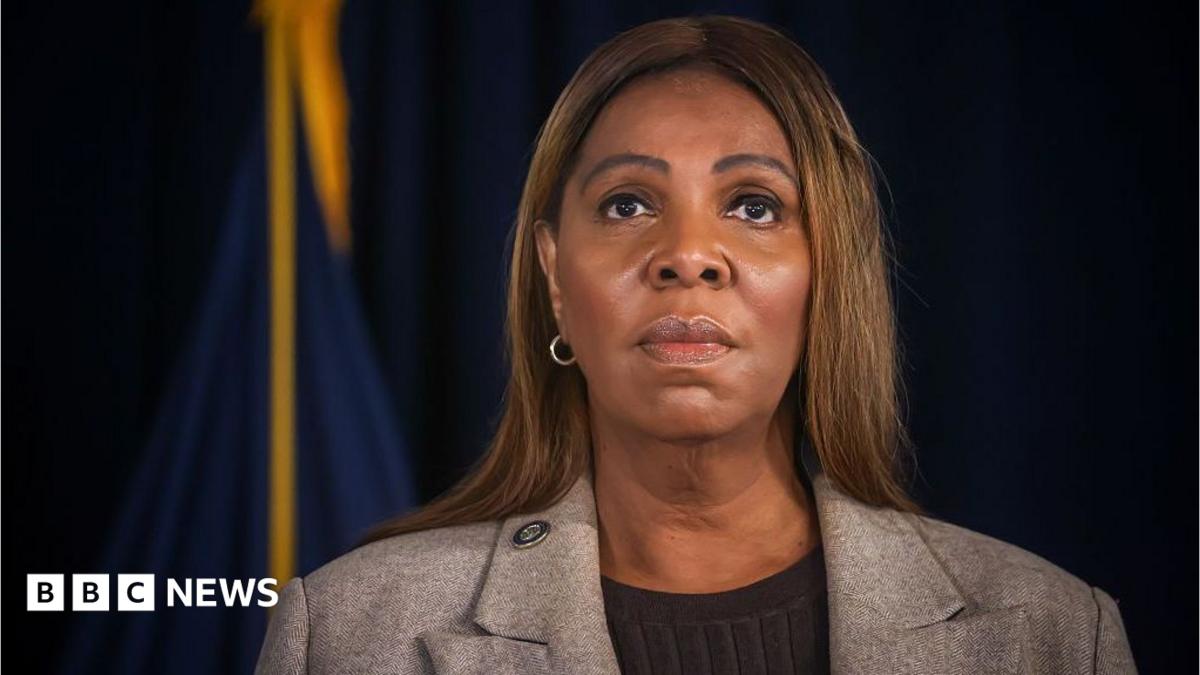
A defence attorney representing one of the seven men accused in a high-profile gang rape case involving Cornell University has formally requested that the special prosecutor overseeing the investigation step aside, citing public statements that the lawyer argues could compromise the impartiality of the inquiry.
The request centres on remarks made by New York Attorney General Letitia James on social media, which the defence claims create a perception of bias that could undermine public confidence in the legal process. The lawyer has described the comments as raising serious questions about the "integrity and independence" of the investigation.
At the heart of the dispute is a post published on 28 September, in which James expressed strong sympathy for the alleged victim. In that statement, she described what the young woman had reportedly experienced as "horrific and unacceptable," adding that she stood in solidarity with survivors of sexual violence.
Days later, New York Governor Kathy Hochul appointed James to serve as special prosecutor in the case. Her mandate includes examining not only the allegations themselves but also how law enforcement authorities and university officials initially responded when the claims first emerged.
The case involves a woman identified in legal filings as Jane Doe, who alleges that she was drugged and then sexually assaulted by multiple men over a period of several hours at a fraternity house party in October 2024. She has further accused Cornell University of failing to take adequate steps to protect her.
According to the defence lawyer's statement, which was provided to the BBC's US media partner CBS News, the attorney general's earlier public comments are incompatible with the requirement that prosecutors independently weigh the evidence before them.
The lawyer was careful to clarify that the request does not amount to an accusation of corruption or bad faith on the part of James, nor does it suggest that any court has formally determined she is legally disqualified from handling the matter. Instead, the argument is framed more narrowly: that an avoidable question of bias now surrounds the investigation, and that a voluntary recusal by the attorney general would eliminate that concern entirely.
The controversy has emerged against a backdrop of growing unrest at Cornell, where the allegations have ignited protests and intense debate. Hundreds of students and faculty members gathered on campus on Monday to demonstrate, reflecting widespread anger over how the university has handled the situation.
US media reports indicate that Cornell's Faculty Senate, a governing body made up of professors and other academic staff, is preparing to vote next week on a resolution expressing no confidence in the university's leadership. While such a vote would be largely symbolic, it would send a powerful signal of discontent from the academic community and increase pressure on administrators to take decisive action.
The university's administration has faced mounting criticism over its alleged mishandling of the October 2024 incident. Cornell's president has publicly acknowledged that the institution "must do better," a concession that followed days of escalating tensions on campus and across the country.
When questioned about the impartiality concerns during a news conference, Governor Hochul defended her appointee, stating that James would be guided strictly by the facts. The governor said the attorney general would examine the evidence and follow it wherever it leads, and that if the evidence supports criminal charges, she would pursue them.
The case has drawn national attention, touching on broader issues of campus safety, the treatment of sexual violence survivors, and the responsibilities of universities and law enforcement when serious allegations arise. Protesters have been seen holding signs demanding accountability, with messages criticising the university for allegedly shielding perpetrators.
Legal observers note that recusal requests based on prior public statements are not uncommon in politically sensitive cases, though they are rarely granted unless the remarks are deemed to demonstrate clear prejudgment. The defence's argument rests on the idea that even the appearance of partiality can erode trust in the outcome, particularly in a case that has already polarised public opinion.
The BBC has contacted Cornell University for comment on the latest developments. As the Faculty Senate prepares for its no-confidence vote and the defence pushes for the special prosecutor's removal, the case continues to raise difficult questions about institutional accountability, prosecutorial independence, and the pursuit of justice in a matter that has deeply affected a campus and captured national attention.








Comments (0)