 lukman-hakim
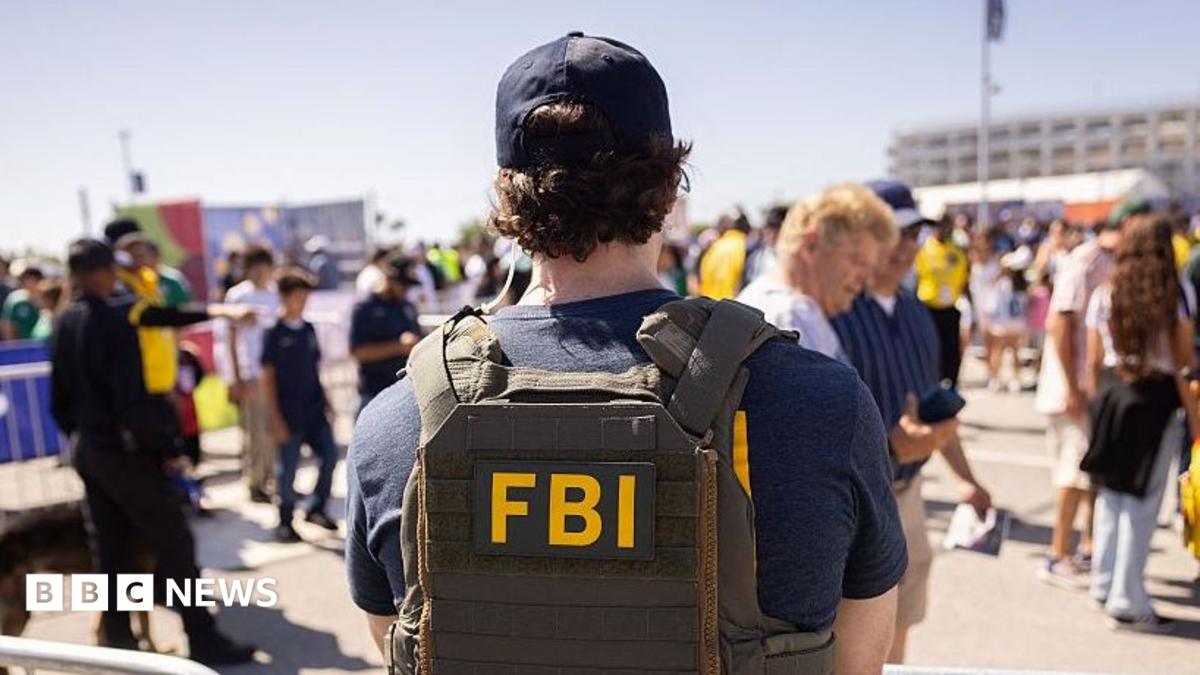
Dutch authorities have detained a 24-year-old man in Amsterdam on suspicion of belonging to ShinyHunters, the cyber-crime group that recently asserted it had obtained sensitive personal information belonging to roughly 38,000 FBI employees. The arrest, announced by Dutch police, marks a significant development in an international investigation into a hacking collective that has claimed responsibility for a string of high-profile breaches.
The suspect was taken into custody on 15 September, several days before ShinyHunters publicly claimed to have compromised FBI systems on 21 September. According to Dutch police, the man is also suspected of attempted incitement to commit two murders. Investigators said they seized his electronic devices and discovered a substantial cache of information on his laptop, including details about two killings that were allegedly to be carried out abroad and that police suspect he may have commissioned.
The man has remained in detention since his arrest. Dutch officials have indicated that additional arrests have not been ruled out as the investigation continues. Stan Duijf, who heads Dutch cybercrime investigations, said in a statement that ShinyHunters has been responsible for a large number of victims both domestically and internationally, and he described the arrest as a positive step in the inquiry into the group's activities.
The FBI's director, Kash Patel, responded to the news on social media platform X, expressing gratitude to Dutch partners and confirming that FBI teams were actively working alongside international counterparts to pursue additional leads generated by the arrest. Brett Leatherman, assistant director of the FBI's Cyber Division, issued a direct warning to members of the group, urging them to surrender while they still had the opportunity. He noted that other criminal groups had believed anonymity or loyal associates would shield them, but that arrests often shift the dynamics of who is willing to cooperate with authorities. Leatherman added that the longer individuals remain involved in such activity, the more investigators learn about them.
ShinyHunters first drew widespread attention in this case when it claimed to have breached FBI servers on 21 September. The group then began contacting journalists the following day, sharing samples and screenshots of what it said was stolen data. The BBC has reported seeing a small portion of the material, which appeared to be genuine. The group alleged that it had accessed the names, roles, badge numbers and personal details of every FBI agent, including home addresses and phone numbers, covering approximately 38,000 individuals.
According to ShinyHunters, the breach was made possible by exploiting a vulnerability in the Oracle cloud storage system used by the FBI. The group claimed this access allowed it to penetrate multiple FBI systems, including FBIJOBS, which handles recruitment; FBI BEAST, which conducts background checks on employees and applicants; FBI MedLink, which stores agents' medical records; and FBI BICS, which contains investigation information. The breadth of the alleged intrusion, if confirmed, would represent one of the most damaging cyber-security incidents in the bureau's history, exposing both professional and highly sensitive personal information about thousands of personnel.
ShinyHunters is an international collective of hackers that is believed to have originated in France. Over time, it has been linked to numerous high-profile breaches across different sectors. In April, the group was associated with an attack on Rockstar Games, and in May it carried out a highly disruptive hack on the education platform Canvas. These incidents have established the group as a persistent and capable threat to major organisations, particularly in technology, finance and retail, where it has frequently targeted large volumes of customer records.
Notably, the group stated in a message posted on the dark web that it did not hack the FBI system for financial gain. Instead, it demanded that the agency retract an advisory issued in May that characterised the gang in unfavourable terms. ShinyHunters said it was offended by the description. The public service announcement, which remains accessible on the FBI's website, labelled the group as threat actors who often use real or exaggerated claims of access to sensitive or personal information to pressure victims into making payments. The advisory further noted that the group targets major companies across tech, finance and retail, frequently stealing millions of customer records at once.
The arrest in the Netherlands follows a series of related developments that have kept the case in the public eye. In the days after the alleged FBI hack, reports emerged that special agents' blood and urine test results had been stolen, and further coverage described the anxiety and anger among FBI personnel confronting what many viewed as a dangerous data breach. The incident has also highlighted broader concerns about the security of government systems and the increasing boldness of cyber-criminal organisations that operate across borders.
The arrest of the suspect in Amsterdam, while significant, is unlikely to mark the end of the investigation. Dutch authorities have stressed that their inquiry is ongoing, and the FBI has made clear that it intends to pursue all available leads. The case illustrates the growing emphasis on international law enforcement cooperation in tackling cyber-crime, where suspects may be located in one country while their victims are spread across the world. It also underscores the challenges that security agencies face in protecting sensitive data from determined attackers who exploit vulnerabilities in widely used cloud infrastructure. For the FBI, the coming weeks will likely bring further scrutiny of how the breach occurred and what steps are being taken to prevent similar incidents in the future.





Comments (0)