 nadia-rahmawati
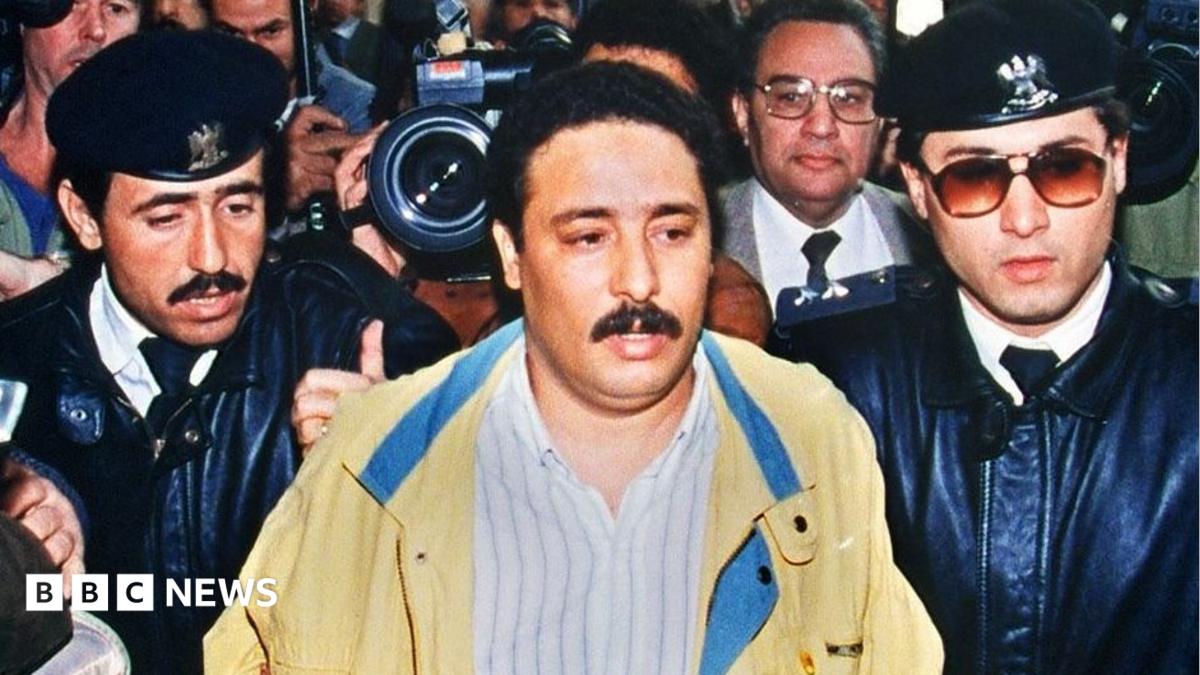
Al Amin Khalifah Fhimah, the Libyan intelligence officer who walked free from one of the most consequential terrorism trials in modern history, has passed away at the age of 70, according to an announcement from Libyan Airlines.
The state carrier shared news of his passing on Facebook and offered sympathies to his relatives. His burial is expected on Wednesday in Tripoli, where he had lived since returning home following his courtroom victory more than two decades ago.
Fhimah stood accused alongside another Libyan, Abdulbasset Al Megrahi, of orchestrating the destruction of Pan Am Flight 103, which exploded above the Scottish town of Lockerbie on 21 December 1988, claiming 270 lives. It remains Britain's deadliest terrorist attack.
Scottish and American authorities first formally charged both men in 1991. It would take years of United Nations sanctions pressure before Libya surrendered the pair to face justice before a Scottish tribunal convened on Dutch soil — an unprecedented legal arrangement born of diplomatic deadlock.
At the conclusion of the proceedings in 2001, three presiding judges found Megrahi guilty of mass murder and imposed a life sentence. Fhimah, however, was unanimously cleared of all counts. He flew back to Libya, where he was received at the airport by the country's longtime ruler, Colonel Muammar Gaddafi — a public embrace that underscored how his homeland viewed him as vindicated. Fhimah maintained his innocence throughout and until his death.
Megrahi later received release on compassionate grounds in 2009 after a terminal cancer diagnosis and succumbed to the illness in 2012. For years, many believed the Lockerbie story had ended with him.
That assumption shifted in 2022, when American investigators disclosed that a third Libyan, Abu Agila Mohammad Masud Kheir Al-Marimi, had allegedly confessed to a Libyan law enforcement official that he participated in the bombing plot together with Fhimah and Megrahi. All three men were said to have served in Libya's intelligence apparatus at the time of the attack.
Al-Marimi, who is awaiting trial in the United States, rejects the accusation that he constructed the device and insists any statement attributed to him was coerced. Even so, the purported admission, combined with additional material emerging from Libya, fuelled speculation that prosecutors might attempt to bring Fhimah before a court once again.
Such a move would not have been straightforward. Under Scotland's Double Jeopardy (Scotland) Act 2011, a retrial is possible only where fresh evidence that did not exist during the original proceedings substantially reinforces the prosecution's case. The BBC understands that officials in Edinburgh and Washington would have weighed new proceedings against Fhimah had Al-Marimi been found guilty when his Washington trial concludes next year. Legal observers note, however, that reopening the matter would have carried formidable obstacles and acute political sensitivities given the 2001 acquittal.
Notably, the criminal indictment filed against Fhimah by US authorities back in 1991 was never withdrawn and technically remained active at the time of his death.
Meanwhile, Al-Marimi's own case continues to unfold. A federal judge in Washington recently granted a further delay, pushing the start of proceedings to January after defence lawyers cited "newly discovered" material. It marks the third postponement in the case, and court officials confirmed the rescheduling bore no connection to reports of Fhimah's death.
Nearly four decades after the jumbo jet fell on Lockerbie, the pursuit of full accountability for the atrocity remains unresolved — and with Fhimah's passing, one of its central figures will never answer further questions in court.
--- END ---




Comments (0)