 lukman-hakim
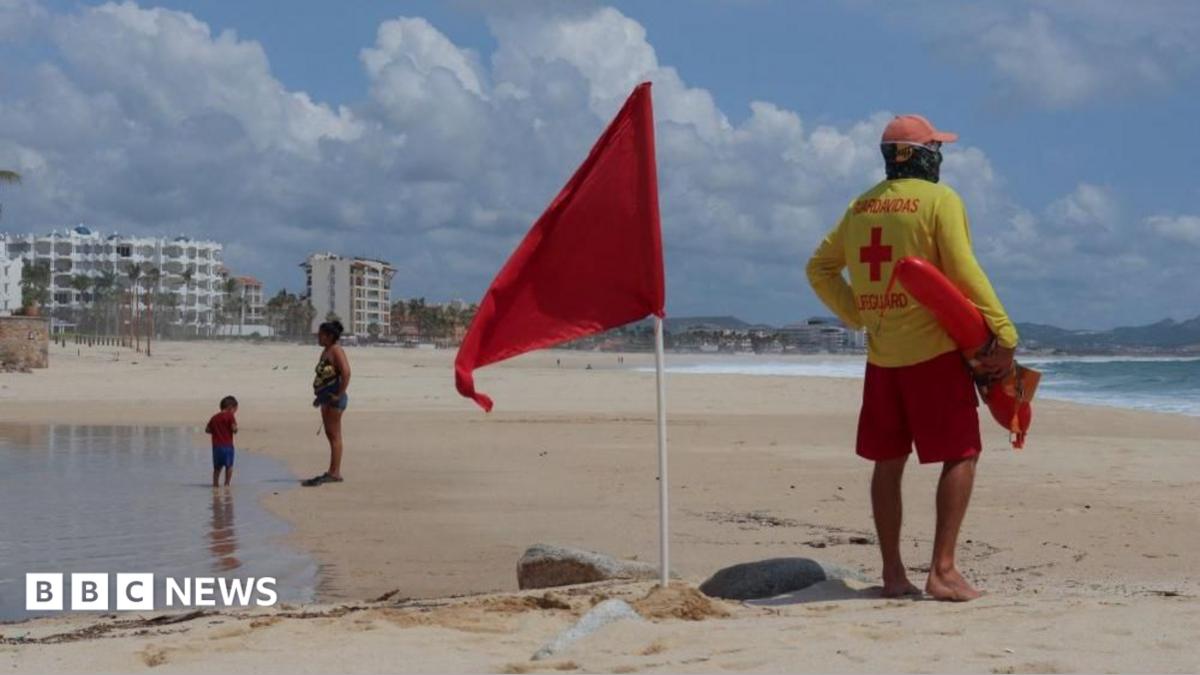
A powerful Category 3 hurricane is closing in on Mexico's northern Pacific coastline, prompting authorities to activate emergency protocols across a region known for its resort towns and marine tourism. Hurricane Polo is projected to make landfall late Monday or in the early hours of Tuesday, according to forecasts from the US-based National Hurricane Center, with the storm's path taking it directly over Baja California Sur.
The storm is currently packing maximum sustained winds of approximately 115 mph, equivalent to 185 km/h, a strength that places it firmly in the "major hurricane" bracket. Such storms are capable of causing structural damage to buildings, uprooting trees, and downing power lines, with the most severe effects concentrated near the point of landfall and in areas vulnerable to flooding.
Baja California Sur is home to Los Cabos, one of Mexico's most popular tourist destinations, drawing visitors from around the world to its beaches, sport fishing operations, and whale-watching excursions. The approach of Polo has already begun to disrupt daily life in the region. In Cabo San Lucas, a town celebrated for its dramatic natural rock arch, local authorities have restricted access to the beaches as a precaution against dangerous surf and rip currents.
Lifeguards along the coast have raised red flags to warn holidaymakers and residents of hazardous sea conditions. Some restaurants in the town, which normally serves as a bustling hub for fishing charters and boat tours, have closed their doors as the storm nears. The image of empty beaches and shuttered businesses underscores the seriousness with which local officials are treating the threat.
The National Hurricane Center has issued stark warnings about the potential for heavy rainfall, cautioning that the downpours could trigger life-threatening flooding and mudslides. The risk is particularly acute in areas of steep or mountainous terrain, where saturated ground can give way with little warning. Flash flooding in canyons and ravines is a well-documented danger during tropical systems in this part of Mexico.
Beyond the rain, forecasters are warning of a storm surge that Hurricane Polo could unleash as it approaches the coast. A storm surge is a rise in sea level caused by a storm's winds pushing water toward the shoreline, and it can be accompanied by large and destructive waves. Such conditions can inundate low-lying coastal areas, damage infrastructure, and create deadly conditions for anyone caught near the water.
Residents in the affected region spent Sunday preparing for the storm's arrival, stocking up on essentials including drinking water and non-perishable food. The scenes of long queues at shops and empty shelves are familiar in hurricane-prone areas, where experience has taught communities that preparation can make the difference between safety and disaster.
The regional government of Baja California Sur has ordered schools to remain closed on Monday as a preventive measure. Governor Víctor Manuel Castro Cosío has announced that temporary shelters have been opened for residents who may need to evacuate their homes. The governor's public messaging has focused on encouraging people to take the threat seriously and to seek safe shelter before conditions deteriorate.
At the federal level, Mexican authorities have deployed thousands of members of the navy and the army, along with specialised machinery, to support the response effort. The presence of military personnel and equipment is intended to speed up evacuations, clear debris, and restore essential services once the storm has passed. Such deployments are standard practice in Mexico when major hurricanes threaten populated areas.
Meteorologists have observed that Hurricane Polo has been moving slowly toward Mexico's coastline, a characteristic that can prolong the duration of damaging winds and rainfall over a given area. Slow-moving storms often produce higher rainfall totals, increasing the likelihood of flooding and landslides. The combination of slow forward speed and intense rainfall is a particular concern for communities in the storm's path.
Forecasters attribute the storm's intensity to extremely warm ocean waters linked to the El Niño climate phenomenon. El Niño, a periodic warming of the central and eastern Pacific Ocean, can influence weather patterns around the world, including the development and strength of tropical cyclones. Warmer-than-average sea surface temperatures provide additional energy for storms to intensify, a factor that has drawn attention from climate scientists studying hurricane behaviour.
The storm's trajectory has already been the subject of earlier warnings. Related coverage notes that Polo was previously downgraded but remained "very powerful" off Mexico's coast, and that residents and visitors in other coastal areas, including Acapulco in Guerrero state, had been alerted to its approach. The storm's evolution illustrates how quickly hurricane forecasts can change and why authorities urge the public to monitor updates closely.
For the tourism-dependent economy of Baja California Sur, the timing of the storm is significant. The region relies heavily on visitors, and closures of beaches, restaurants, and recreational activities can have immediate economic consequences. Business owners face the dual challenge of protecting their properties and ensuring the safety of customers and staff, while also planning for a swift recovery once the danger passes.
Emergency management officials are expected to continue issuing updates as Hurricane Polo approaches. Residents and visitors alike are being urged to follow official guidance, avoid coastal areas, and be prepared for potential power outages, road closures, and disruptions to transport links. The coming hours will be critical in determining how severely the region is affected.
The storm serves as a reminder of the vulnerability of Mexico's Pacific coast to extreme weather, particularly during periods of El Niño-related ocean warming. While hurricane preparedness has improved in recent years, the combination of powerful winds, heavy rain, and storm surge remains a formidable challenge for even the most well-prepared communities. Authorities say the priority now is protecting lives and minimising damage as Polo makes its final approach.







Comments (0)