 yudi-kurniawan
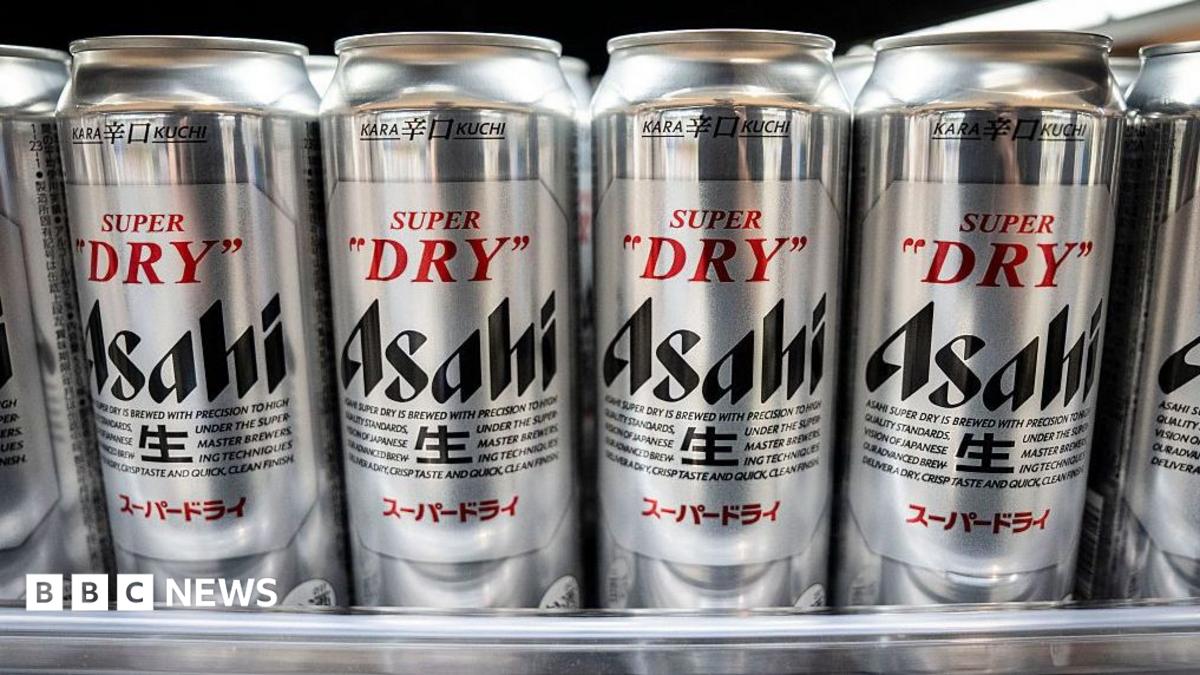
Japanese antitrust authorities have searched the offices of the country's largest beer producers as part of an investigation into whether they coordinated to push up prices, in a case that threatens to cast a shadow over one of Japan's most iconic industries.
The Japan Fair Trade Commission (JFTC) carried out raids on the premises of Asahi and Kirin, both of which confirmed the searches to the BBC and pledged their full cooperation with the government body. The two companies dominate Japan's beer market, and any finding of collusion would represent one of the most significant competition cases the sector has faced in years.
Reports also indicated that Sapporo Breweries and Suntory Spirits were raided as part of the same investigation. Both firms have been approached for comment, and it remains unclear whether they are being treated as suspects or simply as sources of information. The JFTC has not issued a public statement on the operation.
Asahi, Kirin and Sapporo all saw their share prices decline after news of the investigation emerged on Wednesday, reflecting investor anxiety about the potential financial and reputational fallout. Suntory is not publicly listed and therefore does not have a share price exposed to the same immediate market reaction.
According to the Japan Times, the probe focuses on price increases that the companies implemented in April last year and in October 2022. In both instances, all four brewers announced higher prices for their products, citing rising costs of raw materials alongside pressures from energy and transportation expenses.
Such justifications are common across the food and beverage industry, which has faced sustained input-cost inflation in recent years. The question for investigators is whether these parallel price rises were the product of independent commercial decisions or the result of anticompetitive coordination behind closed doors.
Kirin Holdings, the parent company of Kirin Brewery Company, said its subsidiary had been searched "on suspicion of a violation of the Antimonopoly Act." The company said it regarded the matter "very seriously" and would cooperate fully with the JFTC's investigation and any related requests.
Kirin Holdings also noted that the impact on its financial results has not yet been determined, and that it would disclose any material developments promptly as they arise. That cautious language is typical of listed Japanese companies facing regulatory scrutiny, signaling that the outcome remains uncertain.
Asahi Breweries said it was "subject to investigation by the Japan Fair Trade Commission regarding a suspected violation of the Act on Prohibition of Private Monopolization and Maintenance of Fair Trade." The company added that it would cooperate fully with the commission.
The Antimonopoly Act is Japan's core competition law, prohibiting unreasonable restraints of trade such as cartels and bid-rigging. Companies found to have violated the law can face administrative surcharges, and in serious cases, criminal penalties may follow. The JFTC has historically taken a firm line on price-fixing among consumer goods manufacturers.
Japan's beer market is highly concentrated, with Asahi, Kirin, Sapporo and Suntory accounting for the overwhelming majority of domestic sales. That structure means coordinated pricing, if proven, could have a broad impact on consumers, retailers and restaurants across the country.
Beer is deeply embedded in Japanese culture, from after-work gatherings to seasonal festivals, and price changes are closely watched by households already contending with broader cost-of-living pressures. Even modest increases across major brands can meaningfully affect consumer spending patterns.
The case also carries international significance. Japan's competition authority has been increasingly active in policing cartels, and a high-profile action against household-name brewers would reinforce its reputation for pursuing major corporations regardless of their standing in the national economy.
For the companies involved, the immediate priorities will be managing legal exposure while protecting their brands. Beer marketing in Japan relies heavily on trust and familiarity, and allegations of price collusion can erode consumer goodwill even before any formal ruling is issued.
The investigation is at an early stage, and no conclusions have been reached. Raids by competition authorities are typically a fact-finding step, and it is not uncommon for probes to end without formal charges. Still, the breadth of the operation, spanning four major brewers, suggests regulators view the matter seriously.
How the companies respond in the coming weeks, including their public statements and willingness to cooperate, may influence both the legal process and public perception. The JFTC has been contacted for comment, and further details about the scope of the investigation are expected to emerge in the weeks ahead.






Comments (0)