 lukman-hakim
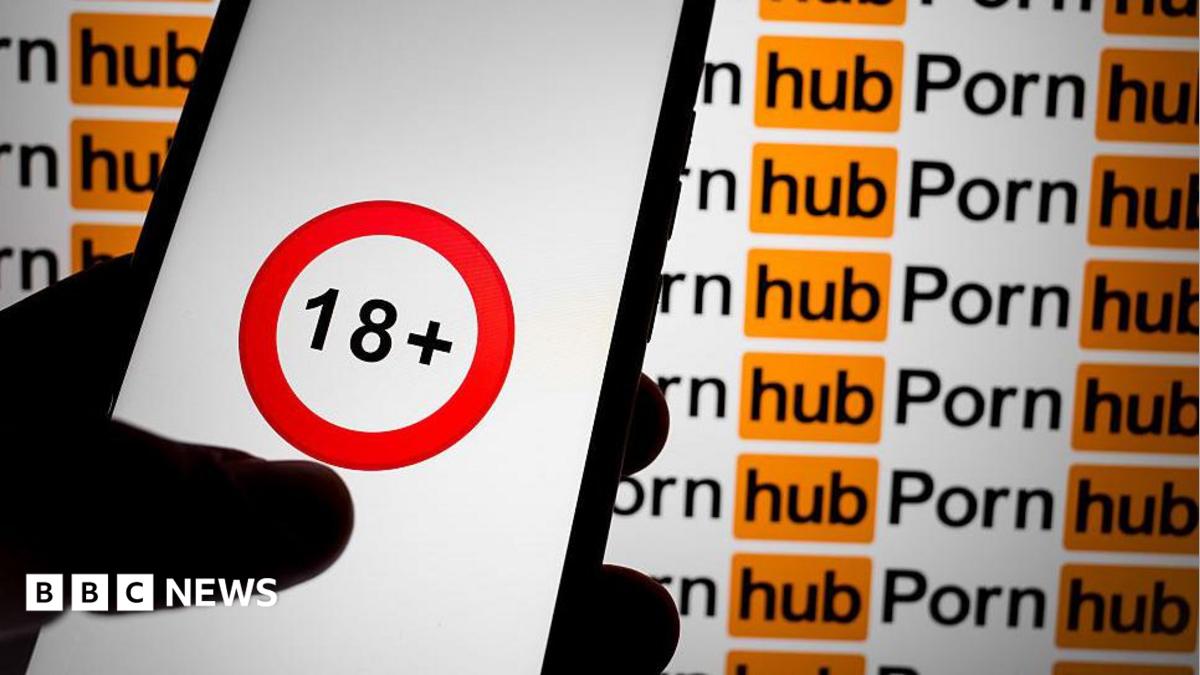
Pornhub has resumed operations in Australia after an eight-month hiatus, though the adult entertainment giant's return comes with a significant caveat: only adults using Apple devices that have completed the company's age-verification process will be able to access the platform. The development, announced on Wednesday by parent company Aylo, marks a partial resolution to a standoff that began in March when the site abruptly withdrew from the Australian market.
The original departure was a direct response to sweeping new legislation introduced by the Australian government earlier this year. The laws, which took effect in March, require users to prove they are at least 18 years old before accessing adult content, including pornography, R-rated video games, and sexually explicit AI chatbots. The country's online safety regulator positioned the measures as essential protections for minors, warning that non-compliant platforms would face substantial fines.
Aylo, however, rejected that reasoning at the time. The company argued that mandatory age verification would not effectively shield children from harmful material and instead created significant risks related to data privacy, while pushing users toward less regulated corners of the internet. The company's leadership has consistently maintained that forcing adults to submit personal information to access legal content is both ineffective and potentially dangerous.
The breakthrough came through Apple, which recently rolled out new age-checking mechanisms in Australia following a similar implementation in the United Kingdom. Under Apple's system, devices are configured with child safety features enabled by default unless the owner has confirmed they are an adult through an official verification process. This approach, according to Aylo, sets a new standard for how age assurance can function without compromising user privacy.
Alex Kekesi, Aylo's vice-president of brand and community, explained that Australians whose Apple devices have been age-verified will now receive what she described as a standard adult user experience. She emphasized that the device-based model means adults no longer need to hand over unnecessary personal information to multiple applications and websites, reducing the risk of data breaches or misuse.
Kekesi also highlighted that Apple's default child safety settings effectively make every phone or tablet kid-safe as a starting point. This, she said, represents precisely the kind of approach Aylo has advocated for years—one that prioritizes both child protection and privacy preservation. The company believes this model also diminishes the effectiveness of virtual private networks, or VPNs, which are commonly used to circumvent geographic restrictions and age-verification requirements.
VPNs work by routing a user's internet connection through servers in other countries, tricking websites into believing the visitor is located elsewhere. While VPNs can still be employed to bypass some restrictions, Aylo contends that device-level age verification makes such workarounds less practical for accessing adult content in jurisdictions with strict laws.
The Australian government's online safety regulator has defended the age-verification mandate as a necessary step to protect young people from exposure to harmful material. Officials pointed to the prevalence of explicit content online and argued that platforms must bear responsibility for ensuring their services are not accessible to minors. The threat of financial penalties was designed to compel compliance from major operators like Aylo.
Critics of the legislation, however, have raised numerous concerns since its introduction. Privacy advocates warn that age-verification systems—whether relying on facial recognition, digital identification, or credit card details—create centralized databases of sensitive information that could be targeted by hackers or misused by corporations. Others note that technologically savvy minors can often find ways to trick verification systems, undermining the laws' intended protective purpose.
The eight-month absence of Pornhub from Australia had notable consequences. Users seeking adult content were pushed toward alternative platforms, many of which operate with fewer safety measures or content moderation policies. Aylo has long argued that removing major platforms from a market ultimately makes the online ecosystem less safe, not more so, because it drives traffic toward unregulated sites that may host illegal or harmful material.
The company's return through Apple's ecosystem represents a pragmatic compromise rather than a full endorsement of Australia's regulatory framework. By limiting access to age-verified Apple users, Pornhub can comply with the letter of the law while avoiding the broader data collection requirements that other verification methods might entail. The arrangement effectively outsources the verification burden to Apple, which already maintains extensive user data and security infrastructure.
Apple's decision to introduce age checks in Australia follows its earlier rollout in the UK, suggesting a broader international strategy around age assurance. The company has positioned itself as a privacy-focused technology provider, and its device-level approach aligns with that branding by keeping verification local to the device rather than transmitting personal data to third-party websites. Whether this model will satisfy regulators in other jurisdictions remains an open question.
For Australian adults who rely on Pornhub and own Apple devices, the return offers renewed access with relatively minimal friction—provided they complete the necessary verification steps. Android users, however, remain unable to access the site through this arrangement, creating an uneven landscape where access depends on the brand of device a person owns. It is unclear whether Aylo is pursuing similar agreements with other technology companies to extend access to a wider range of users.
The episode illustrates the growing tension between governments seeking to regulate online content for child safety and technology companies advocating for privacy-preserving solutions. As more countries consider age-verification mandates, the Australian experiment—and Pornhub's selective return—will likely serve as a closely watched case study. Its outcomes could shape how platforms, regulators, and device manufacturers negotiate the balance between protection and privacy in the digital age.










Comments (0)