 lukman-hakim
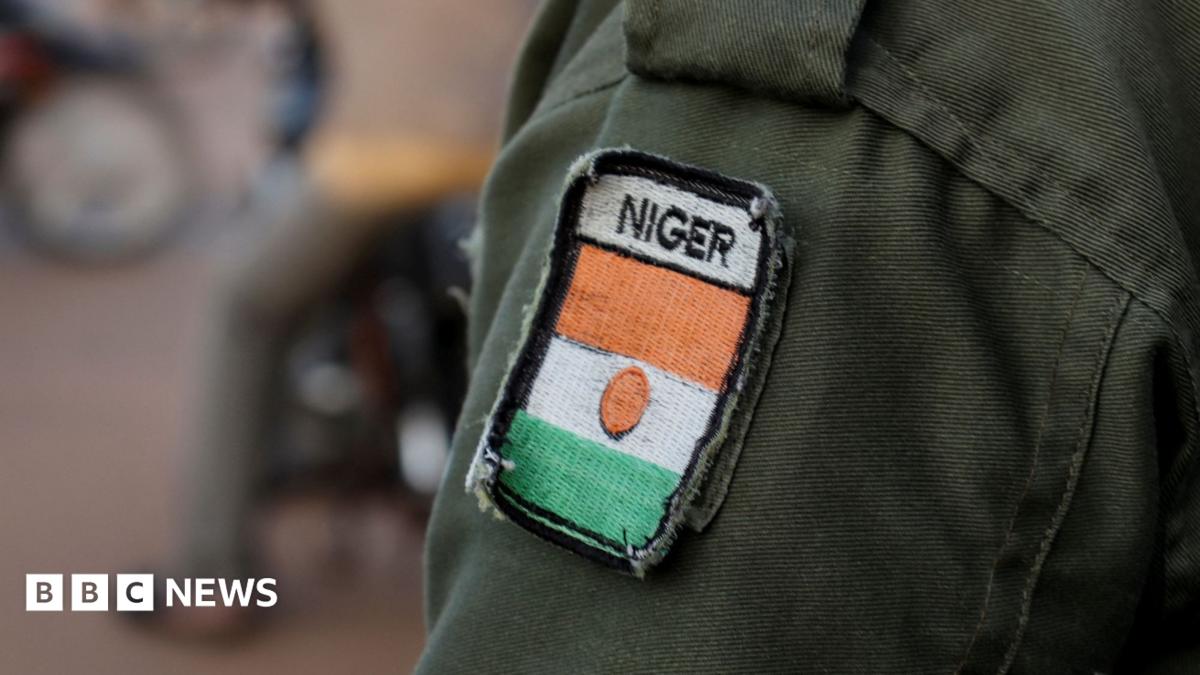
In a dramatic turn of events, Russia has publicly admitted to aiding in the repulsion of a coup attempt in Niger, which unfolded in the capital city of Niamey over the weekend. The attempted coup, which targeted key military installations including an airbase and the presidential palace, was thwarted with the assistance of Russian forces, according to the Nigerien foreign ministry.
The situation escalated early Saturday morning as explosions and gunfire echoed throughout the city. The Nigerien forces, with the backing of the Russian Ministry of Defence's African Corps, managed to contain the rebellion within hours. The foreign ministry in Moscow confirmed the involvement of its forces, emphasizing that they would continue to support Niger in its battle against "extremists." However, it was stated that the situation is now under control, with President [Gen Abdourahmane] Tiani at the helm.
The Alliance of Sahel States, which includes Niger, Mali, and Burkina Faso, termed the attempted coup as "a betrayal by a group of soldiers involved in an attempt at destabilization." The authorities have yet to disclose the number of soldiers involved or the extent of casualties. Niger's military ruler, Gen Tiani, who came to power following a coup last year, has not made any public statements regarding the incident.
Footage aired by Niger's state broadcaster showed several alleged mutineers being apprehended by the Presidential Guard. As of Sunday, the Niger Press Agency reported that commercial activity was gradually returning to normal, with petrol stations, shops, and other businesses resuming operations. A public show of support for the security forces and Tiani's government was witnessed in central Niamey.
The airbase that was attacked, Air Base 101, is part of the Diori Hamani airport complex and serves as a hub for Nigerien military aircraft and drones. It also houses an Alliance of Sahel States counter-terrorism unit, along with Russian and Italian forces. This base has been a focal point of jihadist violence, having been targeted twice this year by Islamic State and al-Qaeda affiliates.
Niger, Mali, and Burkina Faso, all currently under military rule, have shifted their alliances away from Western partners and towards Russia. Despite this, jihadist violence persists across the region. The attempted coup in Niger underscores the multifaceted security challenges the military faces, including both external insurgencies and internal discontent.
Following the attempted takeover, Nigerien authorities have increased security measures around key sites in Niamey, including the main airport entrance and the presidential pavilion. The incident has raised concerns about the stability of the Sahel region, which has been grappling with jihadist insurgencies for years.
The involvement of Russia in the Sahel region has been a subject of international scrutiny. Critics argue that Russia's support for military governments in the region could exacerbate the security situation. However, Russia maintains that its presence is aimed at supporting the fight against terrorism and promoting stability.
The BBC Africa website has been a source of further information on this developing story, providing insights into the historical context of the region's instability and the complex dynamics at play. The attempted coup in Niger serves as a stark reminder of the challenges faced by countries in the Sahel as they strive to maintain stability and security in the face of multiple threats.
In conclusion, the attempted coup in Niger and Russia's subsequent involvement have highlighted the intricate security landscape of the Sahel region. As the situation unfolds, the international community will be watching closely to see how these events impact the stability and future of the region.





Comments (0)