 yudi-kurniawan
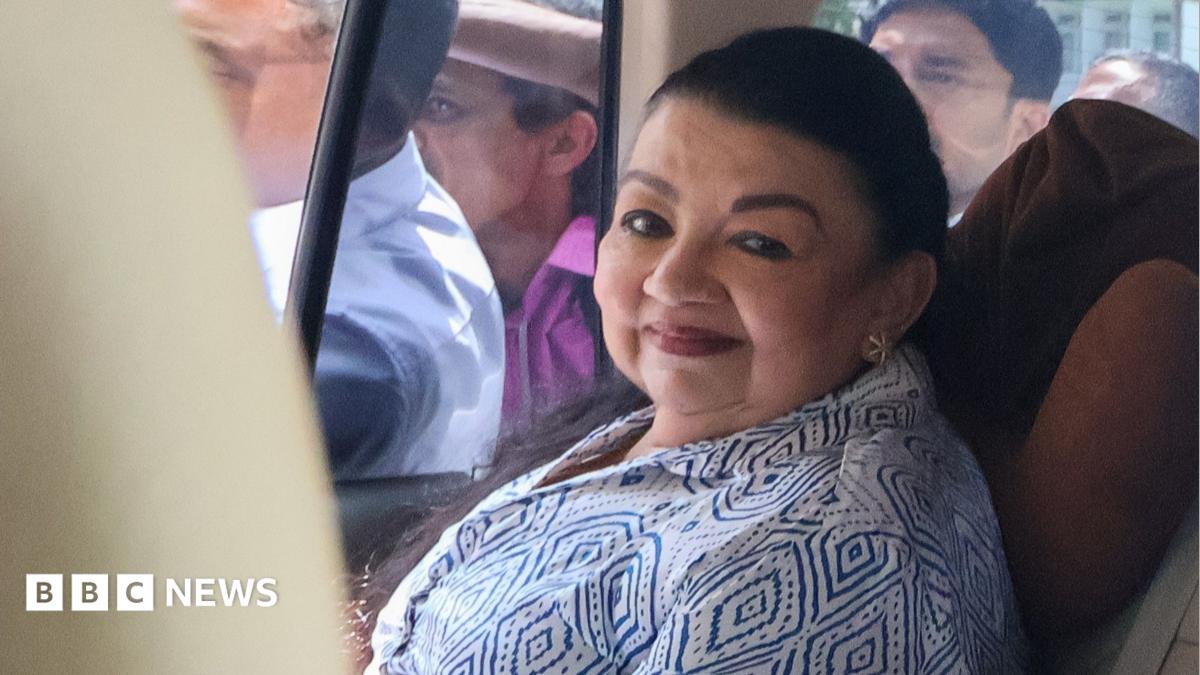
Sri Lankan anti-corruption investigators have arrested Shiranthi Rajapaksa, the wife of former President Mahinda Rajapaksa, over allegations that a charitable organisation connected to her mishandled funds raised for a children's hospital. The 73-year-old former first lady was taken into custody at the family's residence in Colombo on Wednesday, according to the country's anti-corruption authorities.
The case centres on approximately 10 million rupees, equivalent to about $30,300 or £22,800, collected by the Siriliya Saviya charity. Those donations were intended to fund the purchase of a specialised medical scanner for Lady Ridgeway Children's Hospital in Colombo, one of Sri Lanka's principal paediatric medical facilities. However, investigators say such a scanner had already been provided to the hospital through a donation from the Chinese government, raising questions about how the charity funds were ultimately handled.
Rajapaksa has consistently denied any impropriety and maintains that the money has not been misappropriated. Her legal team had sought to prevent her detention, filing a court petition aimed at blocking the arrest. Nevertheless, the matter had not yet reached a hearing, which had been scheduled for 12 October.
The arrest unfolded two days after Rajapaksa returned to Sri Lanka from Singapore, where she had been undergoing medical treatment. She was apprehended at the family home in Colombo, a location that has long been associated with the Rajapaksa political dynasty.
A spokesperson for the former president, Manoj Gamage, has publicly defended the charity and those connected to it. He stated that the funds remain secure within Siriliya Saviya's bank accounts and insisted that no fraudulent activity had taken place. The charity has yet to face formal charges, and the investigation appears to be at an early stage.
Lady Ridgeway Children's Hospital holds particular significance in Sri Lanka as the country's leading facility for paediatric care. Donations directed toward such institutions typically carry strong public expectations of transparency, and the suggestion that funds intended for vital medical equipment may not have been used as intended has the potential to generate significant public concern.
The Rajapaksa family has occupied a dominant position in Sri Lankan politics for many years. Mahinda Rajapaksa served as president from 2005 to 2015, a period during which he was widely credited, particularly during his first term, with ending a civil war that had endured for nearly three decades. The conflict concluded in 2009 when Tamil Tiger rebels were militarily defeated, an outcome that earned him considerable popularity among many segments of the Sri Lankan population.
That political capital, however, was later eroded by broader economic and governance challenges. In 2022, Sri Lanka experienced widespread protests as inflation reached extreme levels and the country faced severe shortages of essential goods, including fuel, food and medicine. The crisis culminated in the removal of Mahinda Rajapaksa's brother, Gotabaya Rajapaksa, who was serving as president at the time and was ultimately forced from power.
Since then, the political landscape has shifted considerably. Sri Lanka's current government, led by President Anura Kumara Dissanayake, has moved to revive corruption investigations that had long remained dormant, with a number of these cases involving members of the Rajapaksa family. The arrest of Shiranthi Rajapaksa represents the latest development in this renewed push for accountability.
The scrutiny has extended beyond the former first lady. In earlier this year, Mahinda and Shiranthi's eldest son, Namal Rajapaksa, was arrested over allegations connected to an aircraft procurement deal that took place during his father's presidency. He remains in remand custody. Another son, Yoshitha, was also arrested earlier this year on separate corruption charges.
These successive arrests suggest a deliberate effort by the current administration to address allegations of misconduct that had previously gone unexamined. For supporters of the Rajapaksa family, the cases may be viewed as politically motivated; for critics, they represent a long-overdue reckoning with impunity.
Legal observers note that the outcome of the Siriliya Saviya investigation will depend on documentary evidence regarding the charity's finances and the intended use of the donations. If authorities can demonstrate that funds were redirected despite the scanner having already been supplied, the case could become a significant test of Sri Lanka's anti-corruption framework.
For now, Shiranthi Rajapaksa remains in custody as questioning continues. The hearing on her petition against arrest is expected to proceed, and further developments are likely in the coming weeks. The case has already drawn considerable public attention, reflecting broader tensions over accountability, political legacy and the rule of law in Sri Lanka.





Comments (0)