 lukman-hakim
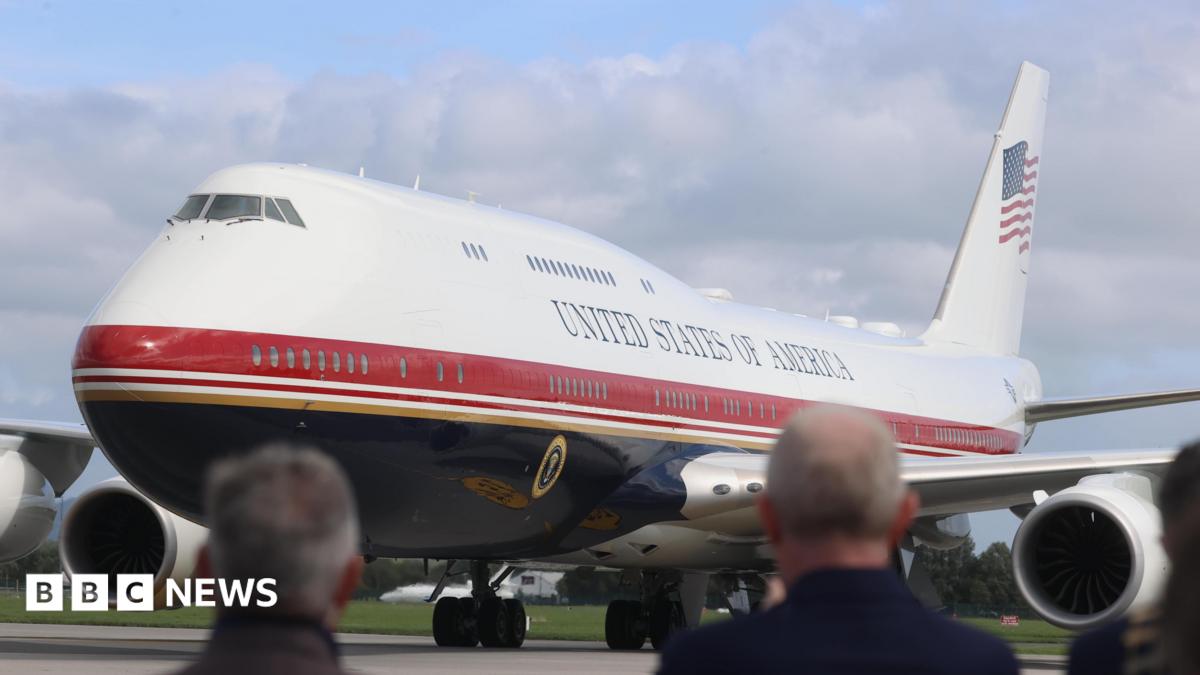
The White House has barred CNN from travelling with President Donald Trump aboard Air Force One during a weekend trip to Tennessee, in the latest escalation of a running dispute between the administration and news organisations covering the president. CNN had been scheduled to fly with Trump on Saturday as he heads to a college American football game, but a media note released on Friday night by the White House left the broadcaster off the list.
The omission appeared deliberate rather than an oversight. CNN reported that no other outlet was listed as replacing it on the president's tentative schedule, suggesting the exclusion was a targeted decision rather than a reshuffle that simply shuffled reporters between seats. The BBC has requested comment from the White House; no response had been received at the time of publication.
Air Force One is more than a means of transport for a sitting president. The aircraft has long served as a travelling press room, with a small pool of accredited correspondents accompanying the president on domestic and overseas journeys and filing reports from the road. Control over who boards therefore carries a symbolic weight well beyond a single trip, because it determines not only whether cameras are present but the visual framing of a visit from the moment wheels-up.
The Tennessee trip is the latest chapter in a dispute that began last week, when Trump banned journalists from CNN, Politico and MS NOW from the White House, accusing them of writing "fiction or lies" about his administration. All three outlets said they were pursuing legal action, and each argued that the exclusions violated their constitutional rights to freedom of speech and freedom of the press.
The backlash was immediate and unusually broad. Four television networks that share a daily rotation of White House coverage alongside CNN — ABC, CBS, Fox News and NBC — paused their broadcasts of the president in solidarity with the banned outlets. The coordinated action meant that the president's own regular television audience was abruptly reduced, turning a dispute with three organisations into an issue affecting many of the largest newsrooms in the United States.
At the same time, the administration moved to build its own distribution channel. The White House launched a streaming service, Trump TV, ahead of the UN General Assembly in New York, positioning the platform as a direct route to audiences that broadcasters might otherwise control. The launch created the possibility of two parallel versions of presidential events: one edited and distributed by the White House, and another carried by independent outlets.
A federal judge has since ruled that barring news outlets from the White House was likely unconstitutional, and that the administration had to let the organisations back in, at least for now. The decision appeared to settle the question of access to the building itself, and regular US television coverage duly resumed on Friday after White House officials permitted reporters to re-enter.
But the ruling did not end the friction. Even after coverage resumed, the White House continued to deny entry to some CNN and MS NOW reporters who had been assigned to cover arrivals at a state dinner for Chinese leader Xi Jinping on Thursday — evidence that the administration is treating access as something it can manage event by event rather than as a single, clearly defined right.
That position was set out publicly by a White House communications account on X, which argued that news organisations do not get unrestricted access to every part of the White House, every event and every press call — a distinction the administration says separates legitimate logistical limits from a sweeping exclusion of the press. Critics of the administration see the same flexibility less as housekeeping than as a mechanism for deciding, in effect, which journalists the public hears from and when.
The Tennessee visit gives the dispute a fresh test case. Trump is due to attend a game between the University of Tennessee and the University of Texas College at Neyland Stadium in Knoxville, with the match kicking off from midday local time on Saturday. A college football game is among the most heavily attended and visually distinctive events on the American political calendar, and coverage typically depends on access to the president's box, the field-side arrival and the post-game remarks.
Without a CNN reporter on board, attention will focus on whether the White House restores the listing, substitutes another outlet, or proceeds with a reduced or pool-only travelling press. Each option carries a different message: a reinstatement would suggest the exclusion was temporary or quietly reversed; a replacement reporter would signal the punishment is aimed at one organisation rather than at access itself; and a thin or absent press presence would make Air Force One a largely unobserved trip, with coverage dependent on whatever footage and quotes the White House chooses to release.
The episode also leaves unresolved the wider legal question. A judge's ruling on access to the White House grounds does not automatically settle whether the administration can withhold travel on government aircraft, where the arguments about property rights, editorial discretion and the public's interest in presidential information become less straightforward. With CNN already pursuing legal action over the earlier bans, the Air Force One exclusion offers a new front on which the same underlying complaints could be tested.
For now, the practical effect is a travelling president with an unpredictable press list. Broadcasters that rotated into the White House only days ago are again watching official channels to learn where they stand, and the Tennessee trip becomes a weekend test of whether the judge's order has genuinely changed day-to-day practice or merely paused the argument.
The weekend's outcome will not settle the question of presidential access, but it will show whether a court order can turn into an everyday working habit — or whether the White House intends to keep access discretionary, event by event, despite the ruling in reporters' favour.









Comments (0)