 yudi-kurniawan
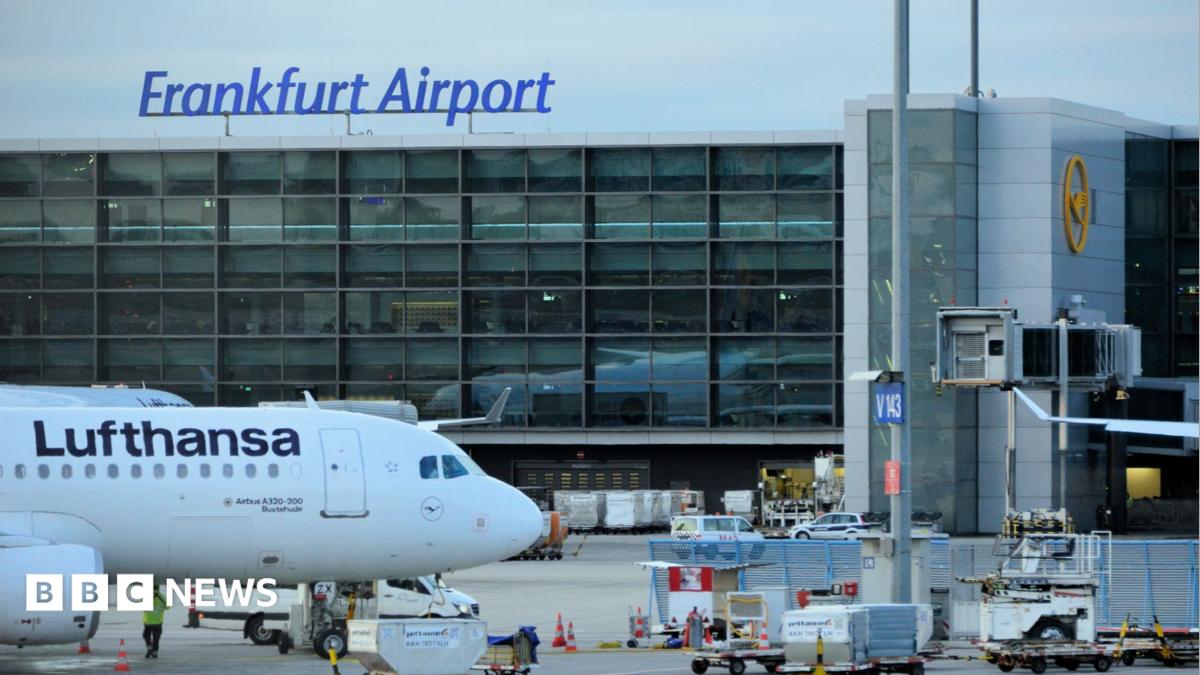
A ground employee at Germany's busiest aviation hub has died from malaria after an unusual outbreak left six members of staff infected with the mosquito-borne disease, public health authorities have confirmed.
Officials believe the insects responsible reached Frankfurt Airport aboard an aircraft, prompting an investigation into how tropical disease-carrying mosquitoes could have established themselves at the site.
A spokesperson for Fraport, the company that operates the airport, told the BBC that five other infected workers are currently undergoing medical treatment. "Sadly, we must confirm that one employee has died as a result of the infection," the spokesperson said. The company added that it has briefed its entire workforce about the outbreak and urged anyone experiencing symptoms to seek medical advice without delay.
In an effort to establish the scale of the problem, insect traps have been positioned around the airport grounds. Mosquitoes collected in the devices will be sent for laboratory analysis so that experts can identify their species and determine where they originated.
Concerns about the cluster first surfaced last month, when reports indicated that four workers had already fallen ill with the infection. According to the Robert Koch Institute, the federal agency responsible for disease control and public health monitoring in Germany, those four employees became sick between 4 and 6 July. The institute said the mosquitoes were believed to have been transported into the country by plane.
Health officials stressed that domestically acquired malaria is exceptionally uncommon in Germany. The country's cases are almost always seen in people who have travelled to regions where the disease is widespread and were bitten there. Transmission linked to an airport setting — sometimes called airport malaria — is a rare phenomenon that occurs when infected insects survive a flight and bite people on the ground far from any endemic region.
The institute warned in its epidemiological bulletin that this rarity carries a hidden danger: because patients with no history of foreign travel are not expected to have the disease, doctors may not consider it immediately. That delay in reaching a diagnosis can raise the likelihood of the illness taking a severe turn, the bulletin noted.
Frankfurt has faced such an incident before. The institute said the most recent case of airport malaria in Germany occurred in 2023, and it too happened at the same airport.
The investigation into the current outbreak is being led by the Frankfurt Public Health Department. The BBC has approached the department for comment but has not yet received a response.
Malaria remains one of the world's most significant infectious diseases. According to the World Health Organization, it is transmitted to humans through the bites of certain mosquito species and is found predominantly in tropical parts of the world. The illness results from infection with a parasite rather than a virus or bacterium, meaning it cannot pass directly between people. While it is both preventable and curable, the WHO cautions that symptoms range from mild to life-threatening, making early detection critical.
For now, attention at Frankfurt will focus on the laboratory results from the trapped insects, which should reveal whether the mosquitoes that claimed one worker's life remain active on the site — and whether more cases can be expected among the thousands of people who work at and pass through the airport every day.








Comments (0)