 nadia-rahmawati
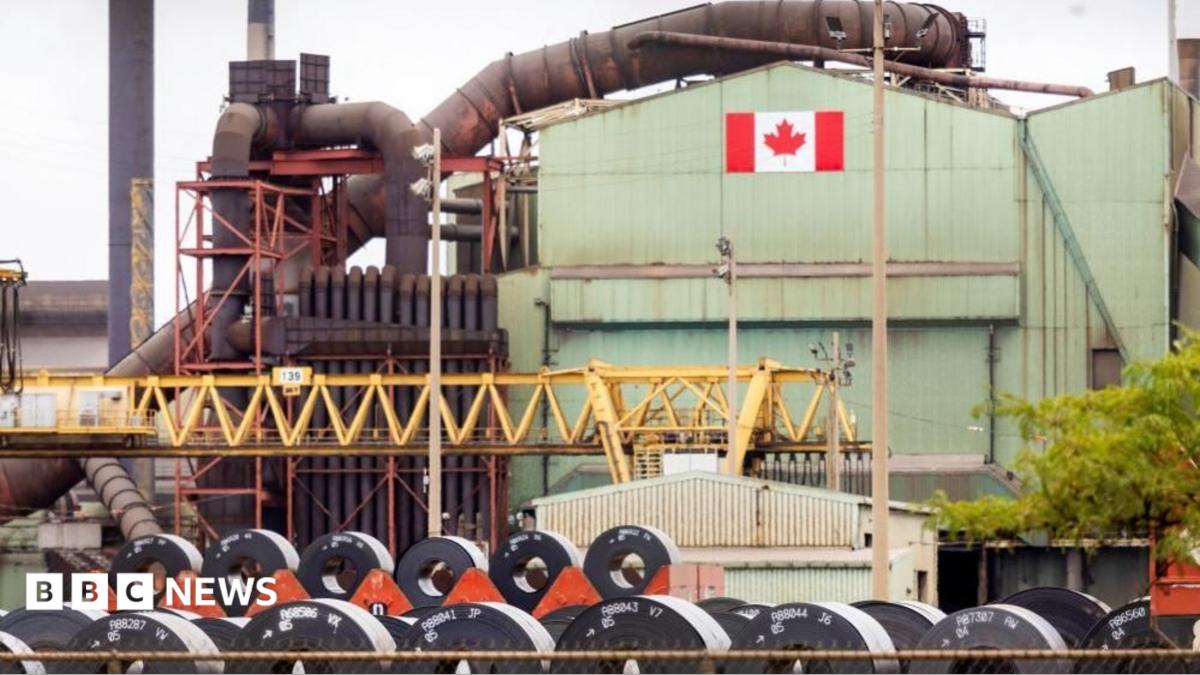
Canada has unveiled a sweeping package of retaliatory duties targeting close to C$28 billion ($20 billion) in annual US imports, escalating a trade confrontation that has plunged relations between Washington and Ottawa to their lowest point in years.
Announced by officials on Tuesday, the measures will take effect on 8 September and cover roughly 900 American products, with rates climbing as high as 50%. Goods caught in the net range from steel and aluminum to furniture, apparel, honey and even fresh tuna — an intentionally broad list designed to mirror the items struck by American levies.
Finance Minister François-Philippe Champagne framed the response as a direct answer to President Donald Trump's decision last weekend to impose 50% tariffs on a swath of Canadian exports after negotiations between the two governments fell apart on Friday. "Canada must respond," he warned, saying the US action would carry genuine costs for workers, companies and communities nationwide. He described his country's counter-measures as both "proportionate" and "strategic".
Ottawa says it deliberately selected products that Canadian firms and consumers can readily obtain from alternative suppliers abroad, in an effort to limit the blowback at home. Alongside the tariffs, the government pledged an extra C$7.5 billion in aid programmes aimed at shielding businesses and employees from job losses as the dispute drags on.
The breakdown of rates varies by category. Steel and aluminum products previously taxed at 25% will now face 50% duties, matching a level also applied to furniture, cosmetics, perfume, honey and clothing. A 25% rate will hit household appliances such as dishwashers and washing machines, dairy items including cheese, fish and seafood, and certain derivative metal products. Tools and machinery, among them forklifts and air conditioning units, face a 15% levy.
The collapse of talks late last week has left each capital blaming the other for unreasonable last-minute demands, and questions persist about precisely what went wrong. Canada's Conservative opposition has pressed the government to publish the full text of the draft agreement under negotiation.
The White House, for its part, insisted that Washington had been prepared to grant Canada "the most preferential market access of any country on Earth", accusing Ottawa instead of walk-backs and outright rejection. Trump escalated further in a string of Truth Social posts, alleging that Canada had exploited American farmers for decades and calling it the most difficult country he deals with. In a remark that drew widespread attention, he floated renaming Lake Ontario "Lake America", declaring the US should not expect much business with Ontario going forward.
Trump has separately threatened to lift tariffs on Canadian automobiles to 50% beginning 1 January, prompting Prime Minister Mark Carney to accuse the US president of seeking to devastate cornerstone Canadian industries, including car manufacturing and steel and aluminum production.
Public tempers flared on Monday, with Ontario Premier Doug Ford branding Trump a "loser" at a press conference — though by Tuesday he was striking a softer note, conceding on CNN that exchanges had grown heated while stressing his desire for a deal benefiting both nations.
Beyond the immediate economic damage, the standoff casts doubt over the future of the USMCA, the North American free trade agreement binding Canada, the US and Mexico. The fallout has rippled southward too: Mexican President Claudia Sheinbaum dispatched her economy minister, Marcelo Ebrard, to Washington for urgent discussions after trilateral negotiations with Canada broke down.
Polling indicates most Canadians back their government's firm stance against Washington, but business groups remain anxious about the consequences of a prolonged trade war with Canada's single largest trading partner — a conflict economists warn will raise costs for firms of every size and push prices higher for consumers on both sides of the border.






Comments (0)