 nadia-rahmawati
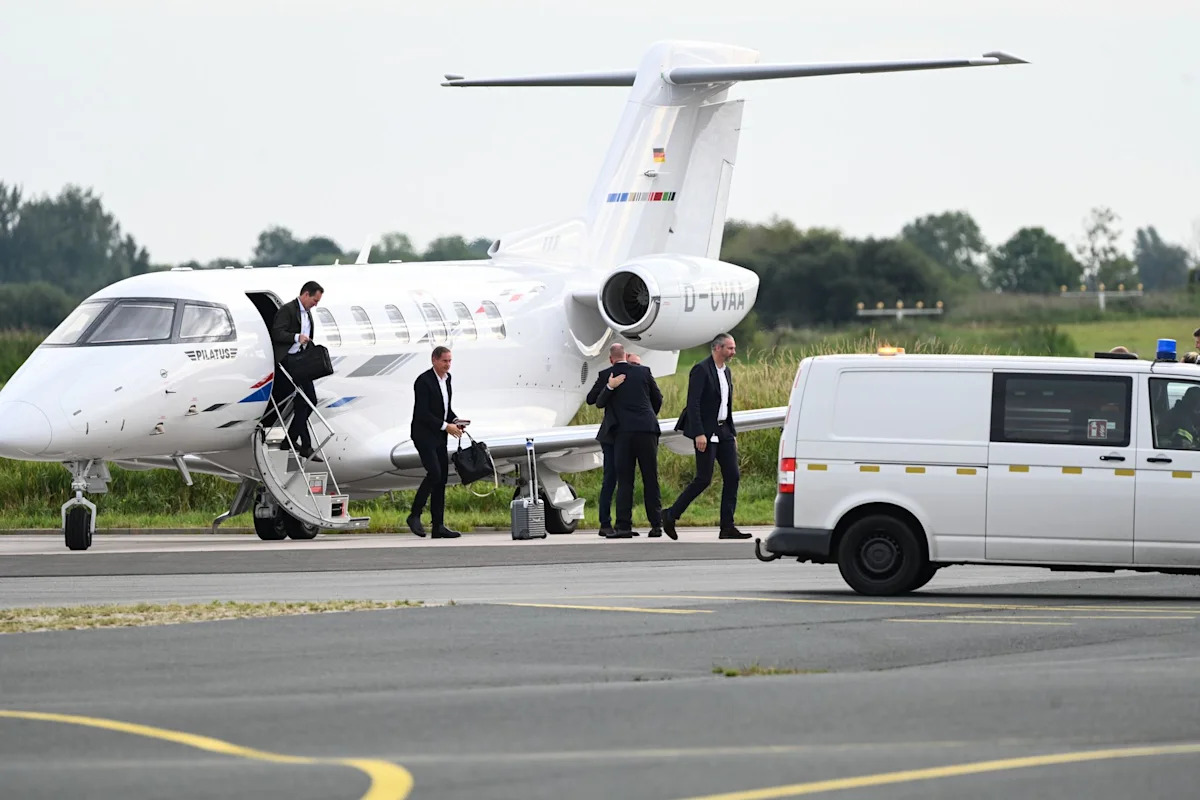
Volkswagen Group chief executive Oliver Blume has travelled to one of the German automaker's most vulnerable domestic plants, as the company weighs an unprecedented overhaul that could include closing factories in its home country for the first time in its history.
The visit to the Osnabrueck plant in northwest Germany came days after management signalled that no site and no job could be considered untouchable, telling employees that years of mounting costs, shrinking European demand and intensifying competition from cheaper Asian rivals had left the group's namesake brand in a fight for survival.
For decades, Volkswagen's German assembly lines have been shielded from closure by agreements with labor. A step toward shutting a plant outright would mark a historic rupture for a company that is one of Germany's largest private employers, with roughly 300,000 workers spread across sites in Wolfsburg, Emden, Hanover, Zwickau, Dresden, Kassel, Salzgitter, Braunschweig and elsewhere.
Blume used the trip to press home the message that costs must fall sharply if the volume brand is to remain competitive, according to remarks relayed by people familiar with the visit. He pointed to a European car market that has not recovered to pre-pandemic levels, a slower-than-hoped shift to electric vehicles in Germany, and Chinese manufacturers expanding aggressively both at home and into overseas markets once dominated by established players.
The atmosphere on the shop floor was tense. Workers gathered to hear the chief executive, many of them anxious about their future, while employee representatives accused management of stoking fear rather than presenting a concrete plan. The powerful IG Metall union and the works council have vowed fierce resistance to any plant closures or forced layoffs, setting the stage for what could be one of the most bitter confrontations between labor and management in postwar German industry.
At the heart of the dispute is a long-standing job security accord, first agreed in the 1990s, which until recently guaranteed employment protections at the company's western German plants through the end of the decade. Management has indicated it wants to terminate those commitments, which would free the company to cut jobs from mid-2025 onward. Union leaders have condemned the move as a betrayal of decades of cooperation, pointing to the billions of euros in profits workers helped generate through efficiency deals in recent years.
Osnabrueck sits particularly high on the list of concerns. The relatively small facility, which produces models including the convertible version of the T-Roc compact SUV alongside vehicles assembled for other group brands, employs only a few thousand people and has long operated on the margins of Volkswagen's German production network, making its economics fragile if volumes soften further.
The financial backdrop explains the urgency. The core VW passenger car brand generates thin margins compared with the group's profitable Audi, Porsche and Skoda operations, and executives have targeted multibillion-euro savings through ongoing efficiency programs. Company leadership, including finance chief Arno Antlitz, has argued publicly that the business model of the past decade, built on strong European demand and protected home-market capacity, is no longer sustainable in a tougher, faster-moving global market.
Politicians have also waded in. The state of Lower Saxony, which holds a blocking minority stake in Volkswagen and seats on its supervisory board, has urged the company to protect jobs and sites, while officials in Berlin have warned against undermining confidence in Germany as an industrial location at a delicate moment for Europe's largest economy.
Negotiations between management and employee representatives are now expected to stretch over weeks or even months, and their outcome will shape not only Volkswagen's footprint but also perceptions of whether Germany can preserve its manufacturing base amid high energy costs, bureaucratic drag and structural change in the auto industry. For the workers who lined up to question their chief executive in Osnabrueck, the stakes could hardly be higher.


Comments (0)