 yudi-kurniawan
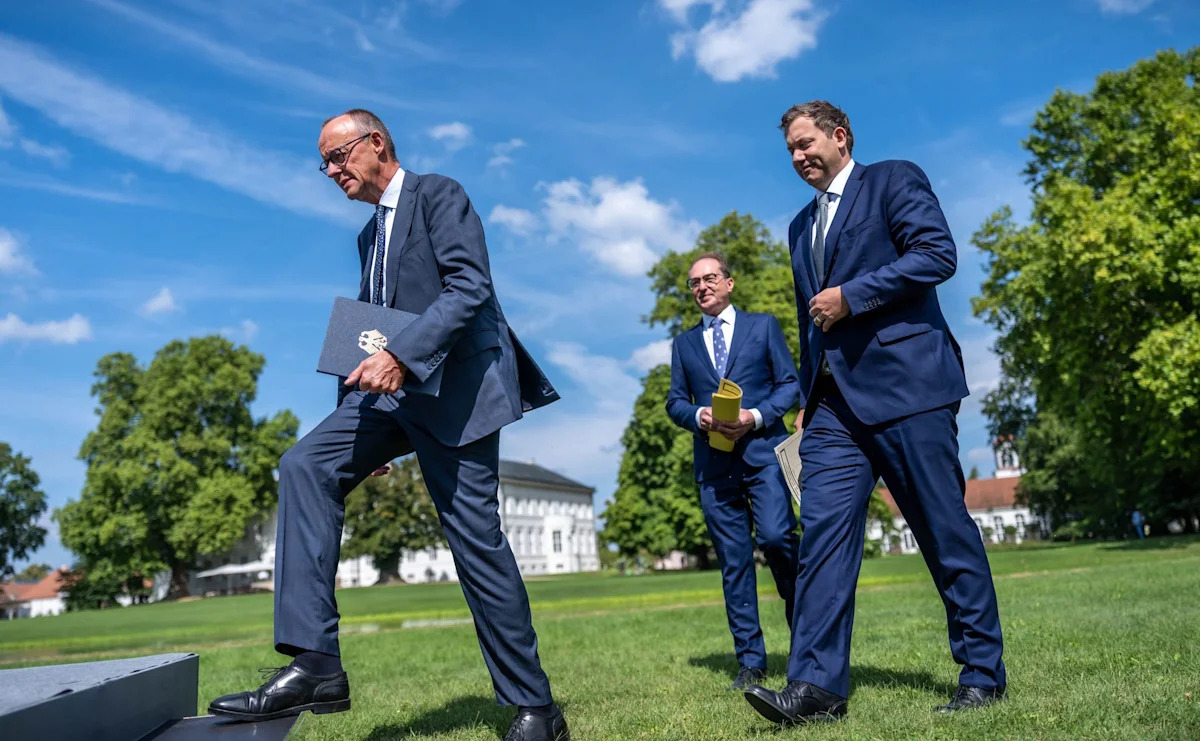
German Chancellor Friedrich Merz declared that his country's economy is expanding once again, drawing a line under a bruising three-year recession that tested the resilience of Europe's largest economy. The chancellor's assessment amounts to the most confident official verdict yet that Germany's long spell of contraction has come to an end.
For a nation long regarded as the industrial powerhouse of the continent, the announcement carries weight well beyond its borders. Germany's fortunes tend to set the tone for the wider eurozone, and a sustained return to growth would offer rare encouragement to policymakers, businesses, and investors who have grown accustomed to bleak headlines from Berlin.
The downturn that preceded this moment was unusually punishing by German standards. After decades in which the country's export-driven model delivered reliable prosperity, gross domestic product shrank year after year, marking the weakest extended stretch since the early years of this millennium. Factories curbed production, companies postponed investment, and household confidence sagged under the strain.
Economists trace the slump to a convergence of shocks. Russia's full-scale invasion of Ukraine severed Germany's access to inexpensive natural gas, raising costs for energy-intensive industries such as chemicals and metals. At the same time, demand for German exports softened, and manufacturers faced intensifying competition from Chinese rivals, particularly in the car industry that has anchored the economy for generations. Trade tensions with the United States added further uncertainty.
Merz, who took office promising to reverse the decline, has framed the recovery as the first fruit of his government's agenda. Since coming to power, his coalition has moved to loosen Germany's strict limits on borrowing to fund defense spending and has backed a vast investment program aimed at modernizing crumbling infrastructure, from railways and bridges to the country's lagging digital networks.
The chancellor has also pressed for cuts to corporate levies and a reduction in bureaucratic red tape, arguing that German firms need room to innovate if they are to hold their ground against foreign competitors. Supporters of the approach say the return to growth suggests the medicine is beginning to work; critics caution that it is far too early to declare victory.
Indeed, formidable challenges remain. Germany's workforce is aging, and persistent shortages of skilled labor continue to constrain production across key sectors. Energy prices, while below their crisis peaks, remain elevated compared with those facing American competitors. And the structural shift toward electric vehicles and away from traditional combustion engines continues to upend supply chains in the automotive heartland.
Analysts note that a single period of expansion does not constitute a durable trend, particularly for an economy so dependent on world trade. Any renewed escalation of tariff disputes, a slowdown among China's buyers, or fresh disruption to energy supplies could quickly snuff out the recovery. Much will depend on whether business investment, which stalled during the recession, gathers pace in the months ahead.
Still, the psychological effect of the turnaround should not be underestimated. Consumer sentiment and corporate confidence in Germany deteriorated markedly during the downturn, and signs that the worst has passed could encourage households to spend and firms to hire. A stronger German economy would also ease pressure on the European Central Bank, which has been weighing how best to support a sluggish eurozone.
For Merz personally, the moment is politically significant. He staked considerable credibility on reviving growth, and opponents will scrutinize every data release for evidence of backsliding. With budget negotiations and further reform legislation looming, the chancellor faces the task of converting an encouraging inflection point into a lasting expansion—one that restores Germany's reputation as an engine of European prosperity.
--- END ---




Comments (0)