 lukman-hakim
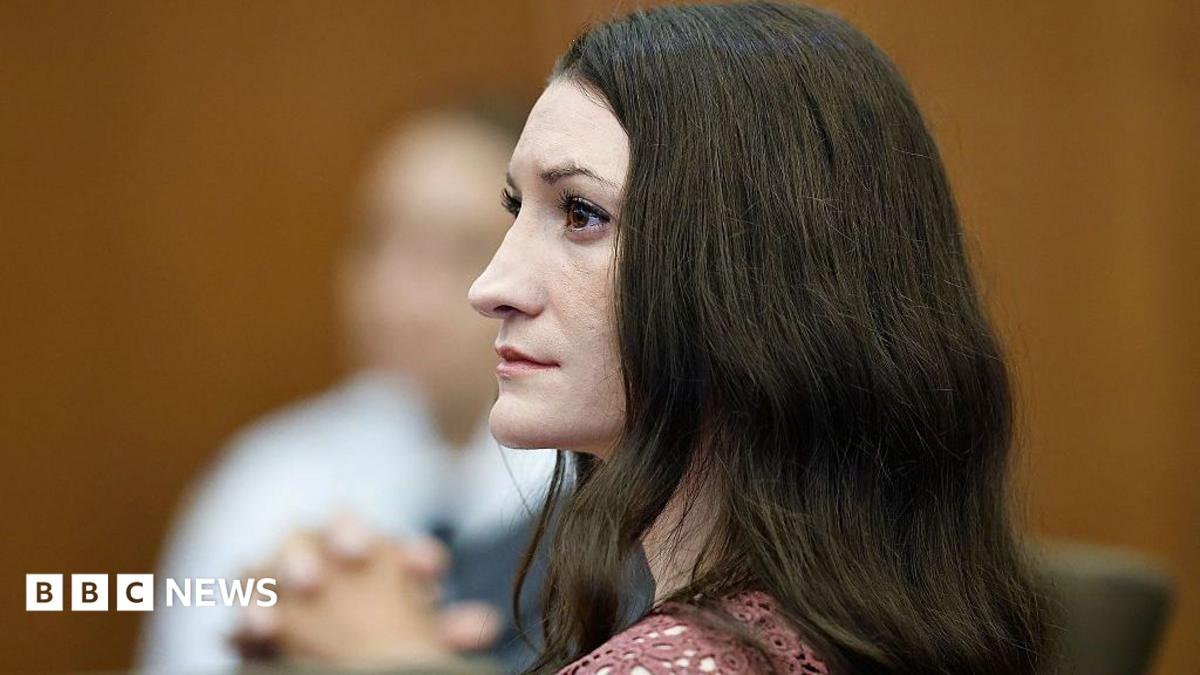
Lindsay Clancy, the Massachusetts woman accused of killing her three young children in 2023, made her first court appearance since her murder trial ended in a mistrial earlier this month, as her legal team renewed efforts to have the case thrown out entirely.
The 36-year-old mother appeared before Judge William Sullivan on Tuesday, marking her first public appearance since a jury deadlocked on 4 September following a week of deliberations. The jury informed the judge they could not reach a unanimous verdict because of a single holdout juror, prompting the judge to declare a mistrial.
Clancy does not dispute that she killed her children — Cora, five, Dawson, three, and eight-month-old Callan — at the family's Massachusetts home. The central question throughout her trial was not whether the killings occurred, but rather her mental state at the time and whether she could be held criminally responsible.
Defence attorney Kevin Reddington appeared before the court on Tuesday to argue that the case should be dismissed outright. He invoked Rule 25, a Massachusetts legal mechanism that allows a judge to enter a not-guilty finding when prosecutors fail to present their case effectively. Reddington contended that the evidence presented by the state was insufficient to sustain a conviction.
"This entire case is based on speculation," Reddington told the court, introducing a new line of argument that differed significantly from the defence strategy employed during the trial itself. During the proceedings, Reddington had focused heavily on Clancy's mental health, urging jurors to find her not criminally responsible due to severe postpartum psychosis. The shift toward challenging the sufficiency of evidence represents a notable strategic pivot.
Prosecutor Shanan Buckingham strongly rejected the defence's position, describing Reddington's argument as "laughable." She maintained that the state had presented extensive evidence demonstrating that Clancy was in a sound mental state at the time of the killings, and that she understood the nature and consequences of her actions.
"The Commonwealth met its burden," Buckingham asserted, emphasising that prosecutors had satisfied the legal threshold required to proceed with the case. She argued that Clancy made a conscious, intentional decision when she killed her three children.
The hearing also touched on the practical question of what happens next. Judge Sullivan expressed frustration when neither side was willing to commit to a potential retrial date, telling the court he wanted to "get this thing moving." He instructed both parties to come prepared to discuss possible trial dates at a scheduled hearing on 2 November.
Among the issues set to be addressed at that November hearing is the defence's motion to dismiss the case. Reddington indicated that if the matter proceeds to a retrial, he would not be ready to begin until at least June, citing the need for adequate preparation time.
District Attorney Timothy Cruz addressed reporters outside the courthouse following the proceedings, stating that his office has not yet determined whether it will pursue a second trial against Clancy. "We're doing our due diligence, we're going to continue doing that," Cruz said. "We're going to do what we can for the children. That's what this case is about."
The case has drawn intense national attention, in part because of the harrowing nature of the allegations and the complex legal questions surrounding postpartum psychosis as a defence. Clancy has been held in a psychiatric facility since the killings, underscoring the mental health dimensions that have dominated much of the legal proceedings.
Postpartum psychosis is a rare but severe psychiatric condition that can affect women after childbirth, characterised by hallucinations, delusions, and a profound break from reality. Defence attorneys in such cases often argue that the condition can impair a mother's ability to understand the wrongfulness of her actions. Prosecutors, however, frequently contend that the defendant retained sufficient awareness to be held accountable under criminal law.
The mistrial outcome has left the families involved and the broader public in a state of uncertainty, with no clear resolution on the horizon. The lone holdout juror's refusal to convict prevented a verdict, illustrating the deeply divided perspectives on Clancy's culpability and mental state at the time of the killings.
Legal analysts have noted that retrying a case after a mistrial carries logistical and emotional challenges, particularly when the central evidence hinges on competing psychiatric evaluations. Prosecutors must weigh the strength of their case against the strain on witnesses and the substantial resources required for a second trial.
For now, Clancy remains in custody at a psychiatric facility as her legal team prepares for the November hearing. The judge's decision on the motion to dismiss — and the prosecution's ultimate choice on whether to retry — will determine whether the case moves forward or concludes without a final verdict.
The 2 November hearing is expected to address multiple motions, including the dismissal request, and to establish a clearer timeline for potential future proceedings. Whether Clancy will face a jury again, and whether that jury can reach a unanimous decision where the previous one could not, remains uncertain. What is clear is that the legal battle over one of the most emotionally charged criminal cases in recent Massachusetts history is far from over.









Comments (0)