 lukman-hakim
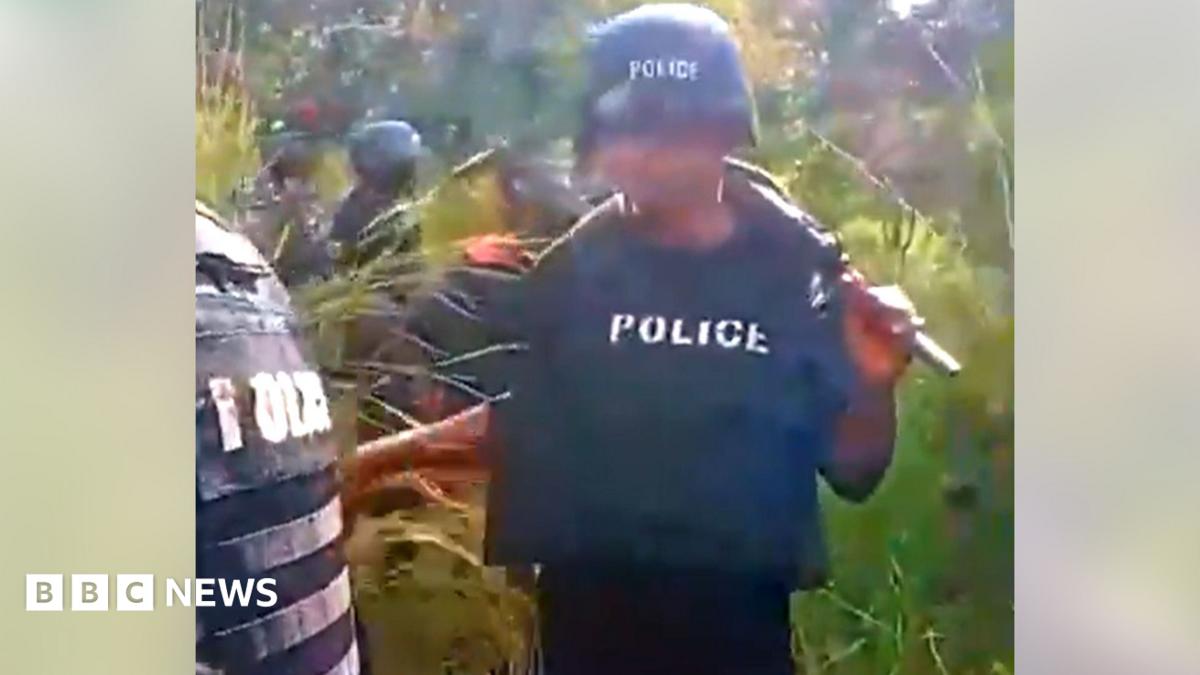
Nigerian police have recovered the skulls and bones of at least 28 people from forest camps suspected to have been used by kidnapping gangs in the country's south-east, authorities said, a discovery that is likely to intensify alarm over the persistent threat posed by criminal groups operating in remote wooded areas.
The remains were found on Saturday in the Umuaku and Nneato forests, according to the Abia State Police Command, following a security operation in the Umunneochi area of the state. Officers suspect the deceased were victims of kidnapping, though forensic examinations and other inquiries are still underway to confirm their identities and to establish how they died.
Maureen Chinaka, a spokesperson for the Abia State Police Command, said the raids were carried out after intelligence reports pointed to criminal activity in the forests. When tactical operatives reached the camps, the suspects fled before they could be apprehended, she said.
"The criminal camps were subsequently dismantled. A total of twenty-eight human skulls and bones, suspected to be kidnap victims, were recovered," Chinaka said in a statement. She added that surveillance in the area had been stepped up as officers work to track down those who escaped.
The operation was described by Abia State Police Commissioner Wilfred Afolabi as part of a continuing campaign to dismantle criminal hideouts across the state. Police have urged residents to report suspicious movements and security concerns, saying public cooperation is vital as investigators try to identify the victims and determine whether the remains are linked to unresolved kidnapping cases in the region.
The grim find underscores the long-standing danger posed by kidnapping syndicates that have established bases in forests across parts of south-eastern Nigeria. These groups have repeatedly targeted motorists, travellers and local residents, seizing them for ransom and often holding them in secluded camps where detection is difficult.
Authorities have made similar discoveries in the past. Previous security raids in Umunneochi turned up decomposing bodies believed to be connected to kidnapping operations, suggesting that the area has served as a hub for such criminal activity for some time. The latest recovery is therefore likely to revive public concern about how effectively the authorities are able to clear these forest enclaves and protect communities living near them.
The scale of the discovery — 28 sets of remains at a minimum — also raises difficult questions about how many abductions may have gone unrecorded or unresolved in the region, and about the fate of families still waiting for news of missing relatives. Investigators face the painstaking task of matching the remains with names on missing persons lists, a process that may take considerable time given the condition of the bones.
Compounding the sense of a deepening security crisis, the weekend brought reports of mass abductions in Nigeria's north. In an attack on Sunday, nearly 50 farmers were seized by gunmen in Niger State. In neighbouring Zamfara State, about 40 other women were kidnapped the same day, according to two security reports seen by the news agency AFP and a local source.
Taken together, the incidents illustrate the breadth of Nigeria's kidnapping problem, which stretches from the forested south-east to the northern states where armed bandits and militant Islamist groups operate. Abductions for ransom have become a major source of income for these criminal networks, fuelling a cycle of violence that has destabilised large stretches of the country and left many communities living in fear.
The Nigerian authorities have repeatedly pledged to confront the gangs, but the persistence of mass kidnappings suggests that security forces are struggling to contain groups that exploit difficult terrain, weak rural policing and porous borders. The flight of suspects from the Abia camps before officers arrived is a further indication of the challenge: criminal networks often appear to receive advance warning or to melt away into forests they know far better than the security personnel pursuing them.
For residents of Umunneochi and surrounding areas, the discovery of the remains may deepen mistrust and anxiety. Local people have long complained about the presence of armed groups in nearby forests and have called for a stronger security presence. Police say they are now intensifying surveillance, but the effectiveness of that effort will be measured by whether arrests follow and whether the flow of abductions is halted.
Forensic work will be central to establishing the truth. Identifying the victims could bring a measure of closure to families and provide evidence that may help prosecutors build cases if suspects are eventually detained. Determining whether the remains are connected to specific unresolved kidnapping cases could also shed light on the methods and movements of the gangs that used the camps.
The Abia State Police Command has appealed to the public to come forward with information, stressing that community cooperation is essential to both identifying the dead and preventing further attacks. Investigators are also examining whether the camps formed part of a wider network of hideouts spanning state boundaries, which would complicate any effort to dismantle the groups involved.
The weekend's violence in the north and the forest discoveries in the south-east together paint a troubling picture of a country grappling with multiple, overlapping security emergencies. While the abductions in Niger and Zamfara states involved different groups and tactics from those suspected in Abia, the common thread is the use of kidnapping as a tool of extortion and terror. Until the underlying drivers — including weak law enforcement in rural areas, economic hardship and the availability of ungoverned spaces — are addressed, analysts warn that such incidents are likely to continue.
For now, the priority for the Abia authorities is to identify the 28 victims, track down the suspects who fled and reassure a frightened public. The outcome of that investigation will be closely watched, both locally and nationally, as a test of whether Nigeria's security agencies can deliver accountability in a case that has already produced only bones and unanswered questions.








Comments (0)