 nadia-rahmawati
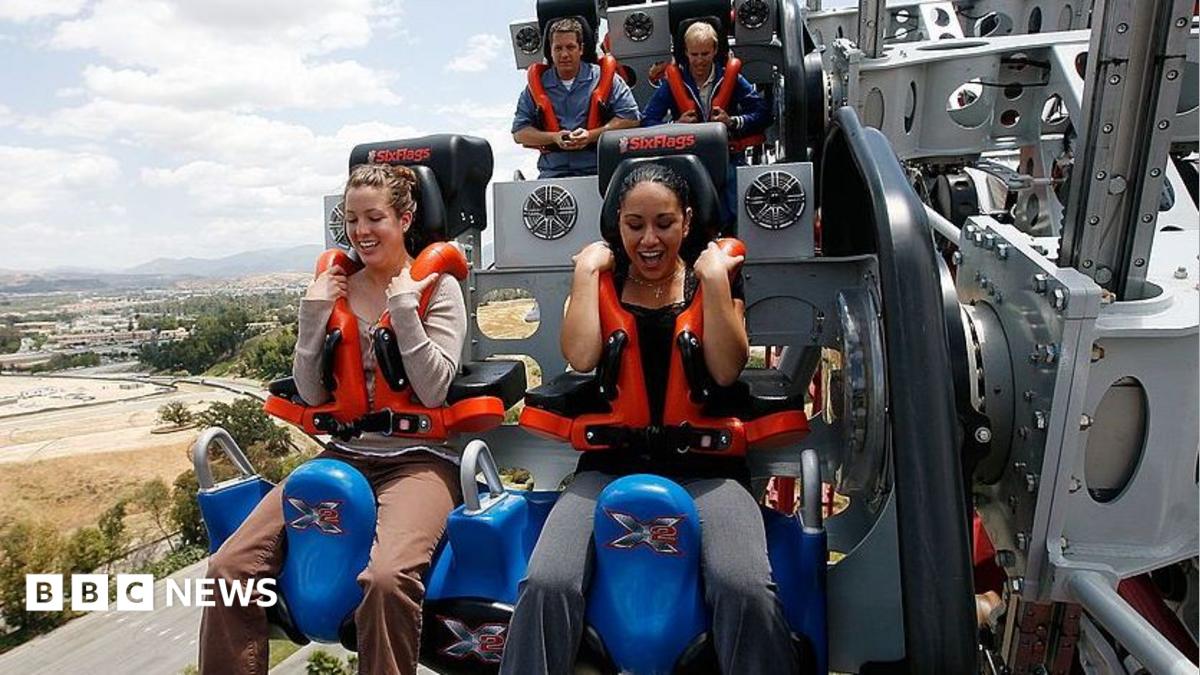
Six Flags Magic Mountain, an amusement park in Valencia, California, has announced that it will permanently retire its X2 rollercoaster, confirming a decision that follows years of lawsuits and news reports alleging that hundreds of riders suffered brain injuries after riding the machine.
The park made the announcement on Tuesday, ending months of speculation about the fate of one of its signature attractions. The X2 had already been out of service since July, but the retirement decision means the ride — famous for its long queues and for seats that spin riders through 360 degrees — will not return to the park's lineup.
Speaking for the park, Six Flags Magic Mountain President Brian Oerding said in a statement posted by the company: "Ride safety is a cornerstone of our business, and when we see guest confidence affected, we take it seriously." The wording was notable for an operator that spent much of the summer insisting the attraction was safe.
Six Flags maintained that the X2 had passed a range of safety tests, while acknowledging that it had decided to retire the ride because it was "the right thing to do." The company also pointed to the ride's enormous reach, saying the attraction had carried more than 16 million riders since reopening under its current name.
That defence has not satisfied the lawyers representing many of the riders who say they were harmed. Dordick Law Corporation, which has filed civil lawsuits against the park, said it had been contacted by hundreds of people who alleged they suffered injuries they believe were caused by the X2.
In a statement, the firm said: "They got on X2 expecting a thrill. Instead, they left with catastrophic brain injuries. Some needed emergency brain surgery. Some are still fighting to get their lives back."
Attorneys for the plaintiffs said they welcomed the closure as a protection for future visitors, while stressing that it does nothing for the thousands of people who have already been hurt. In their view, the announcement safeguards guests who had not yet ridden the attraction without addressing the medical bills, lost earnings and long-term care faced by those who had.
The X2's history is unusually long for an amusement park ride, and it includes two earlier shutdowns. According to the Los Angeles Times, the attraction first opened in 2002 under the simpler name "X," but was closed within months to correct design flaws. It was closed again in 2007 so that its trains could be replaced with lighter versions, and reopened the following year under the X2 name.
Riders are familiar with the attraction from the start of that second life. On 22 May 2008, in the ride's opening days at Six Flags Magic Mountain, Jacque Marquez and Sarah Martinez were among the first people to experience the X2 — a fact captured in photographs from that period, and one that illustrates how long the current version has been in service.
Because the ride has been running, in one form or another, since the early 2000s, its retirement follows two decades in which injury claims accumulated slowly and, in at least one case, catastrophically. Christopher Hawley, a 22-year-old, died after riding the X2 in 2022. The family of the young man sued, and settled a wrongful death case with the theme park in August.
Even after that settlement, the family's lawyers say the closure is not enough. Attorney Brent Wisner of Wisner Baum LLP, who represented the Hawley family, said: "While the Hawley family is relieved to hear that Six Flags is finally closing the X2, it does not change the fact that Christopher Hawley was killed by a dangerous roller coaster that was allowed to operate for nearly two decades."
Wisner said the retirement cannot undo a death, and used the announcement to press a broader argument. He called for legal reform, proactive regulation and what he described as proper governmental oversight of extreme rides — a demand that points to questions about who is responsible for policing the design of attractions that are certified and then marketed as thrill-inducing experiences.
"We cannot rely on profit-centered corporations to do the right thing only after enough people have been hurt," Wisner added, before adding a pointed note about the future: "We hope that whatever replaces the X2 is safe."
The scale of the response underlines how consequential the X2 was to the park. It was one of Magic Mountain's headline attractions, the kind of ride that anchors visitor numbers, drives pass sales and justifies long summer queues. An operator citing "guest confidence" as a reason for retiring a ride is acknowledging, in effect, that the commercial value of an attraction can be outweighed by the reputational cost of continuing to operate it.
The dispute also exposes a central tension in the industry. Six Flags says the X2 passed a range of safety tests; the law firms representing injured riders say those same riders needed emergency brain surgery or lost their lives. Both claims can sit on the record without either being settled by a regulator or a court, and the company's decision to retire the ride — rather than defend the safety of the design in litigation — leaves the underlying allegations untested in public.
What happens next is likely to hinge on two things: how the park replaces the X2 in its lineup, and whether the pending injury claims and any wider legal action move forward. The retirement ends the risk to future riders, but it does not by itself resolve the claims of those who say they were injured, nor the questions about oversight raised by the Hawley family's lawyers.
For visitors who never got the chance to ride — and for the more than 16 million who did — the end of the X2 closes a chapter that began in 2002, passed through two earlier shutdowns and one fatal crash, and ended not with a redesign, but with a decision by Six Flags to take the attraction off the board for good.






Comments (0)