 lukman-hakim
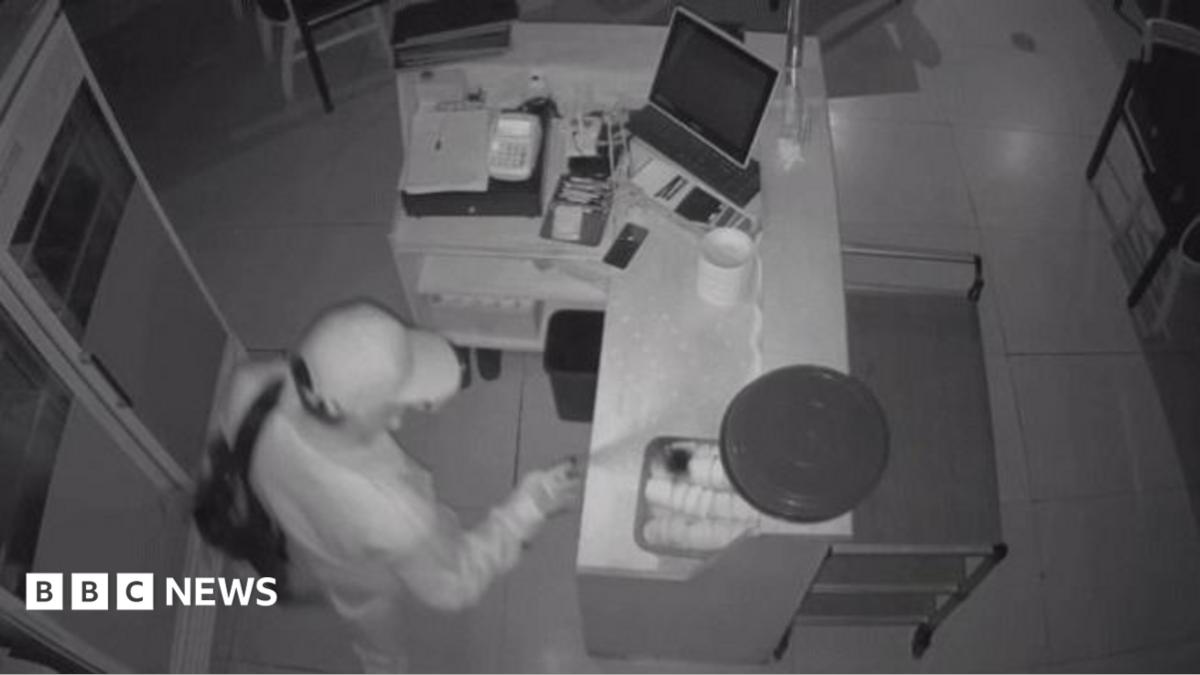
A Chinese restaurant in South Korea that adopted the name of Chinese President Xi Jinping has been vandalized in a pre-dawn attack that police attribute to a group of Chinese nationals who left the country immediately afterward. The incident has drawn attention to the unusual pressures the owner says he has faced over the past year to abandon the name.
Surveillance video captured at the restaurant in Seongnam, a city located just south of Seoul, shows four masked individuals forcing their way into the premises in the early hours of September 24. According to police accounts, the intruders damaged furniture and sprayed lacquer across the interior of the business. The footage, which has circulated in South Korean media, depicts one man in a cap spraying a substance onto a countertop.
The owner of the establishment told local journalists that he selected the name Xi Jinping because he aspired to operate the finest Chinese restaurant in South Korea. He has stressed that the choice carried no political meaning whatsoever. Despite the prominent name, the restaurant has been operating for eight years without issue, serving a broad selection of Chinese dishes alongside some South Korean options, according to menu screenshots shared online. It holds an average rating of four out of five stars from Google reviewers.
The business only began receiving demands for a name change over the past year, according to reporting by The Chosun Daily. The owner said the pressure intensified in August of last year, when news emerged that Xi would be traveling to South Korea for the Asia Pacific Economic Co-operation Summit. He described receiving dozens of phone calls related to those demands during that period.
Some of those contacting him went beyond requests. The owner told The Chosun Daily that individuals claiming to run businesses in China offered substantial sums of money if he agreed to change the restaurant's name. He characterized the approach as persistent, suggesting an organized effort rather than isolated complaints.
The pressure was not limited to informal appeals. In April of this year, an unidentified person filed a complaint with South Korea's Ministry of Intellectual Property concerning a dish on the restaurant's menu called Xi Jinping Special Rice. The ministry ultimately closed the case after determining there was no issue with the menu item.
Last week's vandalism represents the most serious incident the owner has encountered during the past year of friction. He told local media that the property damage totaled approximately 15 million won, a figure equivalent to about $11,100 or £8,400. The restaurant remained closed for five days following the attack before reopening on Tuesday.
Police provided details about the suspects on Tuesday, describing the four individuals as Chinese men ranging in age from 20 to 40. Investigators believe the group fled to Shanghai and Yantai, a city in China's Shandong province, shortly after carrying out the attack.
South Korean authorities say they intend to seek red notices from Interpol for the four men. Such notices are not arrest warrants; they function as requests to law enforcement agencies around the world to locate and detain a person pending extradition proceedings. The mechanism is frequently used when suspects are believed to have crossed international borders.
The owner has indicated that his team is now considering whether to give the restaurant a new name, a decision that would bring an end to a branding choice that has generated both attention and, more recently, significant trouble. The restaurant's experience illustrates the complications that can arise when commerce intersects with the politics of a neighboring major power.
The incident also highlights the broader sensitivities surrounding Xi Jinping's image and how references to the Chinese leader are treated. While the restaurant owner framed the name as an aspirational marketing decision, the demands he received suggest that some individuals view any commercial use of the leader's name as unacceptable. The complaints escalated from phone calls and monetary offers to a formal intellectual property filing and finally to a physical attack.
For South Korean police, the case presents a cross-border enforcement challenge. With the suspects believed to be in China and no extradition treaty mechanism guaranteed to produce results, the red notice request may be the extent of the legal tools available. Interpol notices rely on voluntary cooperation from member countries, and compliance varies considerably.
The Seongnam restaurant, meanwhile, is back in operation as its owner weighs a future without the Xi Jinping name. The decision carries financial and emotional weight for a business that has spent nearly a decade building its identity in the community, only to see that identity become a liability amid pressures that appear to originate from outside South Korea.
The episode fits into a pattern of tensions involving Chinese nationals and politically sensitive symbols abroad, though the specific motivations of the four suspects remain unclear. Police have not suggested the attack was directed by any organized group, but the timing and the flight of the suspects have fueled speculation about whether the vandalism was intended as retaliation for the restaurant's refusal to rebrand.
For now, the case rests with South Korean investigators seeking international assistance, a restaurant owner reconsidering a name he says he chose without political intent, and a community south of Seoul processing an attack captured on camera in the quiet hours of a September morning.










Comments (0)