 lukman-hakim
Iran has said it will hold fire and wait for an official response from US negotiators after President Donald Trump rejected a Tehran proposal to reopen the Strait of Hormuz to commercial shipping within seven days. The rejection, delivered publicly at the White House and then repeated on Saturday, leaves the key shipping chokepoint shut and raises fresh doubts about whether the diplomatic channel opened on the sidelines of the UN General Assembly can still salvage an agreement.
The proposal emerged from talks held in New York this past week, where Iranian officials raised both the reopening of the strait and an end to hostilities as conditions for ending a conflict that has effectively closed the waterway since war broke out in February. Iranian Foreign Minister Abbas Araghchi said the conditions attached to reopening the strait were identical to those already set out in a memorandum of understanding signed between Washington and Tehran back in June — a detail that suggests Tehran was attempting to revive an existing framework rather than negotiate a new one from scratch.
Writing on Telegram, Araghchi acknowledged Trump's rejection but used the occasion to criticise the US president for issuing statements that pull in opposite directions. Trump, he wrote, "has made many good statements, as well as many contradictory ones, which unfortunately we hear frequently." The Iranian foreign minister said his government was "waiting for the mediators to convey the definitive views to us, and we will make a decision based on them" — language that keeps a negotiating door ajar while shifting responsibility for the next move back to intermediaries.
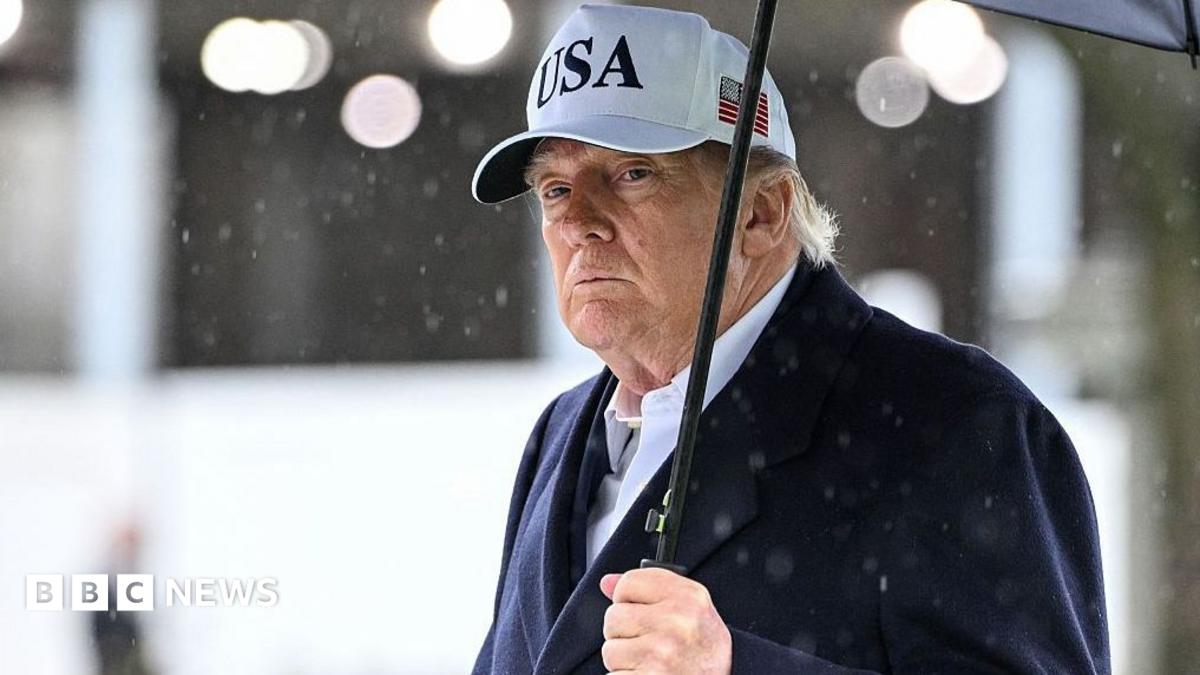
Trump, speaking to reporters at the White House, said the Iranian offer was not "acceptable." He claimed Tehran wanted a deal to reopen the strait immediately because, in his words, "they're losing so badly." On Saturday he was more blunt: "I'm rejecting their deal." At the same time, the president insisted the US already enjoyed "total control" of the waterway, with "massive amounts of oil" passing through it — a claim that sits uneasily alongside the widespread assessment that the strait remains largely obstructed to commercial traffic.
The stakes of the dispute are global. The Strait of Hormuz is the vital waterway through which roughly a fifth of the world's oil and gas supply normally flows, and it has been effectively closed since the February outbreak of war. Any reopening therefore carries consequences well beyond the region, affecting energy prices, insurance rates and freight costs for importers far from the Gulf.
Iran's position has been that a deal remains achievable. Speaking to reporters at the UN on Friday, Araghchi said an agreement could be reached provided "necessary conditions are met" between the two countries. The problem, according to the sequence of statements this weekend, is that Washington has not defined those conditions publicly, and Tehran says it cannot finalise a decision until mediators deliver a definitive account of US intentions.
Oman has been acting as the intermediary between Washington and Tehran, and its foreign minister, Sayyid Badr bin Hamad bin Hamood Albusaidi, used the UN General Debate to urge all parties to keep talking. He said "all parties" should cooperate with Oman in efforts to safeguard navigation in the strategic waterway — a call for dialogue that came hours after the US president publicly dismissed the Iranian offer.
The US administration has lined up behind Trump's decision. Matthew Whitaker, the US ambassador to Nato, told Fox News on Saturday that Iran had offered "half measures" and "illusory deals to make themselves look good on the world stage," adding that it was "President Trump's right to reject it." The endorsement frames Tehran's initiative as a public-relations exercise rather than a serious negotiating step, a characterisation Tehran has not yet directly addressed.
Washington is also applying economic pressure alongside its military and diplomatic posture. Treasury Secretary Scott Bessent said on Saturday that the US squeeze on Tehran was taking a toll, posting on X that Turkey, Oman and the United Arab Emirates had halted flights operated by various Iranian airlines, and that some banks in the UAE and Turkey had stopped transactions with Iran. The Trump administration has branded its economic blockade of the country "Operation Economic Outcast," using sanctions to pressure Tehran into halting attacks on vessels in the Strait of Hormuz.
How durable that pressure proves is far from certain. Some economists have questioned whether the latest sanctions will be effective, arguing that the outcome depends on how Iran's major trading partners respond. Chief among them is China, the largest buyer of Iranian oil, which has previously ignored US sanctions and continued doing business with Tehran. If Beijing and other significant buyers stay on the sidelines, measures aimed at airlines and banks in third countries may inconvenience Iran without genuinely strangling its economy.
The wider diplomatic picture remains tense. In the same week, President Trump threatened to "annihilate" Iran in his UN General Assembly speech as officials from both countries met on the margins, and Iran's president told Trump his country would never "bend the knee." British Foreign Secretary Ed Miliband separately warned Tehran that the UK would not tolerate "hostile activity" on British soil.
For now, the immediate question is procedural rather than substantive: whether US negotiators send back a formal response through Omani channels, and whether that response contains anything beyond the terms Trump has already dismissed. Until then, the strait stays shut, Iran's patience is explicitly conditional, and the world's energy markets continue to price a waterway that is officially under American control but functionally unusable to most commercial shipping.





Comments (0)