 lukman-hakim
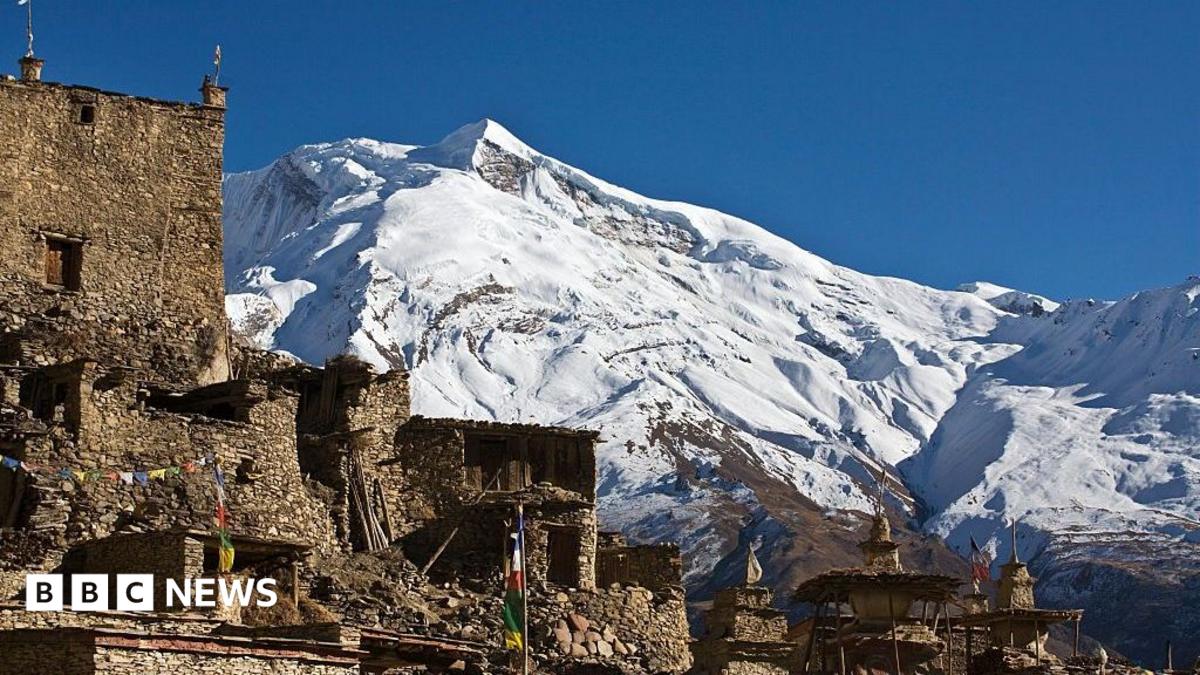
At least ten Nepali climbers are unaccounted for after an avalanche tore through a staging camp near one of Nepal's most challenging Himalayan peaks on Sunday morning, according to the expedition company that organised the climb.
The missing men were all local guides who had been dispatched ahead of a team of foreign clients to prepare the route on Himlung Himal, a 7,126-metre (23,380-foot) mountain that sits on Nepal's northern border with Tibet in the Manang district. They were positioned at a forward staging point below the summit when the snowslide struck.
Bibhuti Chand Thakur, a representative of the trekking operator Himalaya Holidays Trekking, confirmed the toll to the AFP news agency, stating that eight members of the company's own expedition crew had been reported missing, along with two guides working for a separate operator on the same mountain. The joint presence of two companies' staff at the site reflects the collaborative nature of commercial mountaineering in the region, where teams frequently share route-fixing duties and camp infrastructure.
The Nepali workers had been sent up the mountain in advance of their paying clients — a standard practice in the Himalayan guiding industry. Their role involves breaking trail through deep snow, securing fixed ropes on exposed sections, and establishing tented camps at altitude so that foreign climbers can attempt the summit with a greater margin of safety. This arrangement places the heaviest physical risk on local Sherpa and other ethnic Nepali guides, many of whom earn their livelihoods during the brief climbing seasons.
Weather data indicated that heavy snowfall had blanketed the area around Himlung Himal in the days leading up to the disaster, loading slopes with unstable layers of fresh snow. The accumulating weight created conditions ripe for the kind of sudden avalanche that caught the guides on Sunday morning.
Rescue operations have been severely constrained by the same poor weather that preceded the slide. Helicopters have been unable to fly into the remote valley, and ground-based search teams have likewise been blocked from reaching the site, leaving the fate of the ten men uncertain more than a day after the avalanche. In high-altitude rescue scenarios, every hour of delay dramatically reduces the chances of finding survivors, as victims buried in snow can succumb to hypothermia and asphyxiation within minutes.
The incident is the latest in a string of weather-related emergencies across Nepal's mountainous regions, where days of persistent rain and snow have turned trails and climbing routes treacherous. Earlier this week, expeditions on Mount Manaslu — the world's eighth-highest peak at 8,163 metres — were forced to abandon their attempts because of a mounting avalanche risk. The widespread instability has dealt a fresh blow to Nepal's climbing tourism industry, a vital economic sector that generates hundreds of millions of dollars annually in permit fees, guiding wages, lodging, and transport revenues.
The disappearance of the ten guides comes less than two months after six climbers died on Broad Peak in Pakistan-administered Kashmir, a tragedy that claimed the life of Nirmal Purja, the British-Nepali mountaineer celebrated for his record-breaking speed ascents of the world's fourteen highest peaks. Purja's death reverberated through the global climbing community and highlighted the dangers faced by professional guides who repeatedly expose themselves to extreme alpine conditions.
Meanwhile, extreme weather has also caused devastation far to the south. Officials in the neighbouring Indian state of Uttar Pradesh reported that more than fifty people have died in weather-related incidents, underscoring the regional scale of the current atmospheric disturbance across the Himalayan belt.
The disaster also compounds an already grim period for Nepal. On the Nepal-Tibet border, recovery teams are still working to retrieve bodies more than a month after a catastrophic glacial collapse sent a torrent of water and debris surging down the Trishuli River valley. More than 6,000 people remain unaccounted for in that disaster, and at least 1,400 deaths have been confirmed. Entire settlements were swept away when the flood burst through the valley, leaving communities displaced and infrastructure destroyed.
Taken together, these events have renewed scrutiny of safety standards in the Himalayan expedition industry and the growing influence of climate change on mountain conditions. Scientists have warned that warming temperatures are destabilising glaciers and permafrost across the region, making slopes more prone to collapse and avalanches. For the guides who shoulder the greatest risk in pursuit of a living, the consequences of those changes are measured not in projections but in lives lost on the mountains they know best.








Comments (0)